
Vietnamese food is known for its fresh ingredients, fragrant herbs, rice-based dishes and balanced flavors. From steaming bowls of pho and crispy bánh mì to regional specialties and vibrant street food, every part of Vietnam offers a different culinary experience. Whether you are visiting for the first time or planning a food-focused journey, this guide introduces the best dishes to try, explains regional differences and shares practical tips for enjoying Vietnamese cuisine during your trip.
What Is Vietnamese Food Like? Flavors, Herbs and Balance
Vietnamese food combines fresh ingredients, aromatic herbs and balanced seasonings. Rice, noodles, vegetables, seafood and meat form the foundation of everyday meals, while fish sauce, lime and chili create distinctive flavors.
Fresh Herbs and Vegetables in Vietnamese Cuisine
Fresh herbs are essential to many traditional Vietnamese dishes, adding fragrance, texture and freshness to everyday meals. Mint, coriander, Thai basil, perilla and lettuce commonly accompany noodle soups, grilled meat and rice dishes. Rather than serving these ingredients only as decoration, Vietnamese cooks encourage diners to combine them with the main dish according to personal taste.
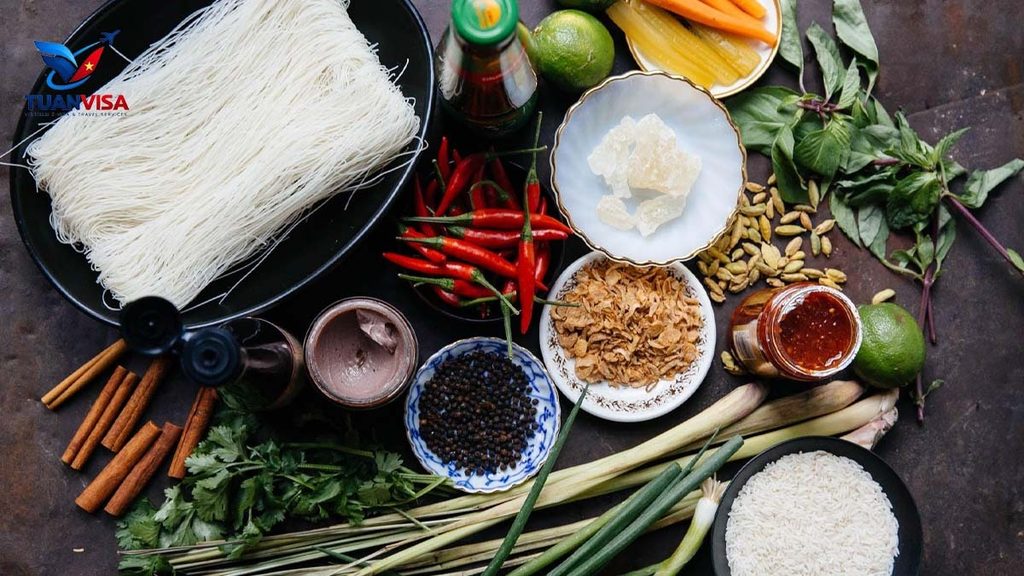
Fresh herbs and leafy vegetables are essential ingredients in traditional Vietnamese cuisine
The Five Flavors and Traditional Seasonings
Flavor balance defines Vietnamese cooking through the combination of sweet, sour, salty, bitter and spicy elements. Ingredients such as fish sauce, lime juice, sugar, garlic and fresh chili help create this harmony. Not every dish contains all five tastes, but the careful use of seasonings allows individual ingredients to maintain their natural character without overwhelming the overall flavor.
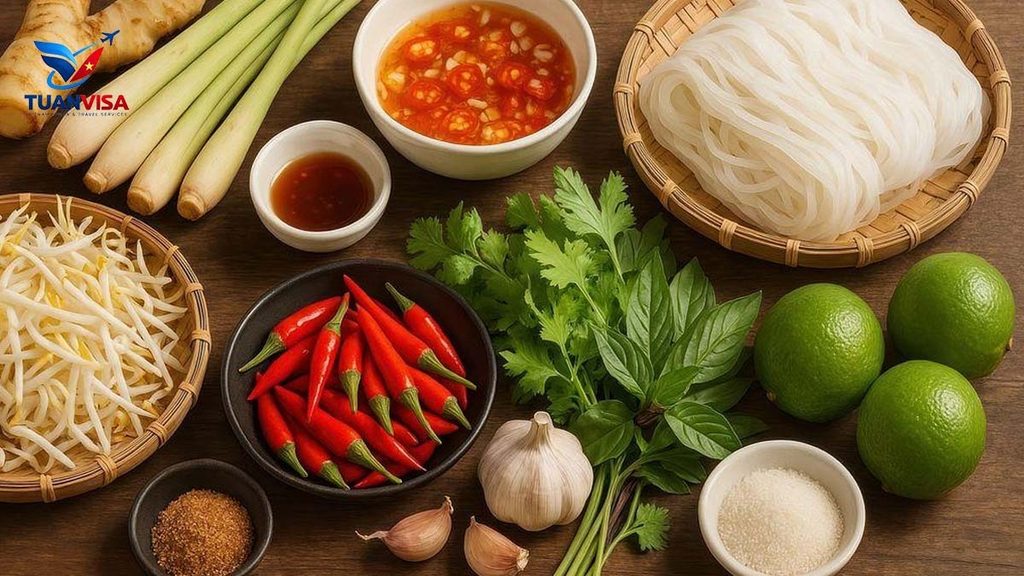
Fish sauce, lime, garlic and fresh chili create the distinctive balance of flavors in Vietnamese cooking
Rice, Noodles and Fish Sauce in Everyday Meals
Rice is one of Vietnam’s most important staples, appearing as steamed rice, sticky rice, rice noodles, rice paper and rice flour. Fish sauce, known as nước mắm, provides a savory foundation for dipping sauces, marinades and soups. Depending on the recipe, cooks also use shrimp paste, soy sauce, coconut milk and fermented ingredients to create distinctive regional flavors.
What Is the Most Popular Vietnamese Food?
Several Vietnamese dishes have become internationally recognizable because of their distinctive flavors, accessible ingredients and availability throughout the country. Pho, bánh mì, bún chả and gỏi cuốn are excellent starting points for first-time visitors.
Pho: Vietnam’s Famous Noodle Soup
Pho is a traditional Vietnamese rice-noodle soup prepared with beef or chicken and an aromatic broth simmered with bones, ginger, onion and spices. Northern pho often features a clear, savory broth, while southern versions commonly include more herbs and condiments. Popular for breakfast, pho is now served throughout the day in restaurants and street stalls.

Vietnamese pho features tender beef, soft rice noodles and a fragrant broth served with fresh herbs
Bánh Mì: A Vietnamese Sandwich With French Influence
Bánh mì combines a light, crispy baguette with fillings such as pâté, grilled pork, Vietnamese cold cuts, pickled vegetables, cucumber, coriander and chili. Influenced by French bread-making traditions, the sandwich has developed into a distinctly Vietnamese specialty. Different versions include chicken, eggs, meatballs and vegetarian fillings, making bánh mì an affordable and convenient street food choice.

Crispy Vietnamese bánh mì combines a golden baguette with savory fillings, pickled vegetables and fresh herbs
Bún Chả: Hanoi’s Grilled Pork and Rice Noodles
Bún chả is a Hanoi specialty featuring grilled pork patties and pork belly served in a bowl of sweet-and-sour dipping sauce. Diners combine the meat with cold rice vermicelli, fresh herbs and vegetables. The smoky pork contrasts with the refreshing greens and tangy sauce, creating a distinctive combination that makes this dish especially popular at lunchtime.
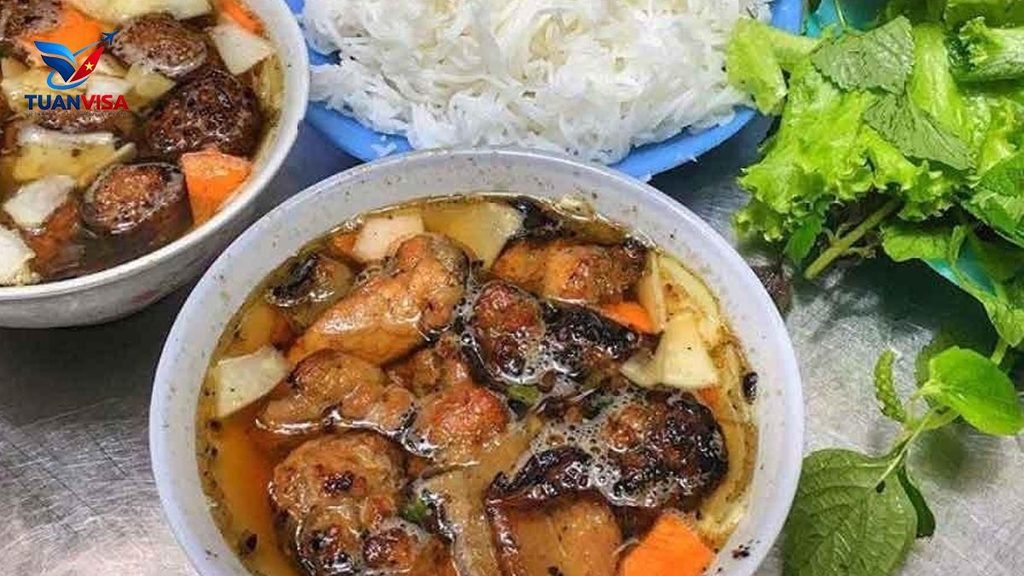
Hanoi’s famous bun cha combines smoky grilled pork, fresh rice vermicelli and a tangy dipping sauce
Gỏi Cuốn: Fresh Vietnamese Spring Rolls
Gỏi cuốn are fresh rice-paper rolls filled with ingredients such as shrimp, pork, rice vermicelli, lettuce and aromatic herbs. Unlike fried spring rolls, they are served without being cooked in oil after assembly. Usually accompanied by peanut-hoisin or fish-based dipping sauce, these rolls offer a light alternative for visitors exploring Vietnamese street food.
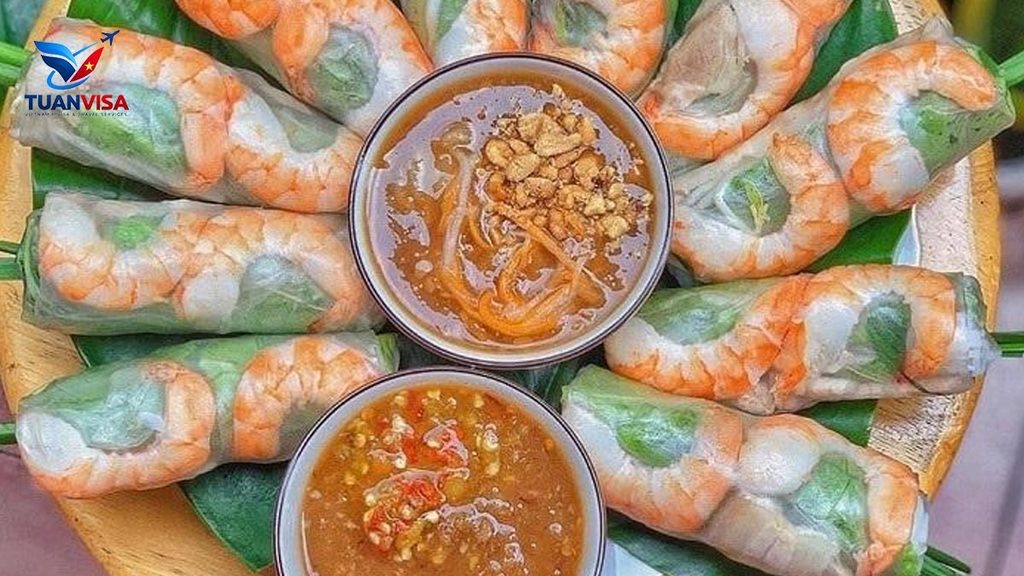
Fresh Vietnamese spring rolls are wrapped in translucent rice paper and served with flavorful dipping sauces
More Popular Vietnamese Dishes Worth Trying
Beyond the four internationally recognized dishes, Vietnam offers many regional specialties worth exploring. Cơm tấm combines broken rice with grilled pork and pickled vegetables, while bún bò Huế features a richly seasoned beef broth. Bánh xèo, bún riêu, chả cá and mì Quảng also introduce different ingredients, cooking methods and regional traditions.
Traditional Vietnamese Food by Region: North, Central and South
Vietnam’s three main culinary regions have distinctive cooking styles shaped by geography, climate, local ingredients and historical influences. Exploring these differences helps visitors understand the country’s diverse food traditions.
Northern Vietnam and Hanoi
Northern Vietnamese cuisine generally emphasizes natural ingredients and restrained seasoning, often using black pepper, ginger and aromatic spices rather than excessive sweetness or chili. Hanoi is famous for pho, bún chả, bánh cuốn and bún riêu, a tomato-based noodle soup with crab ingredients. Chả cá, featuring turmeric-marinated fish, dill and spring onions, is another northern specialty worth trying.
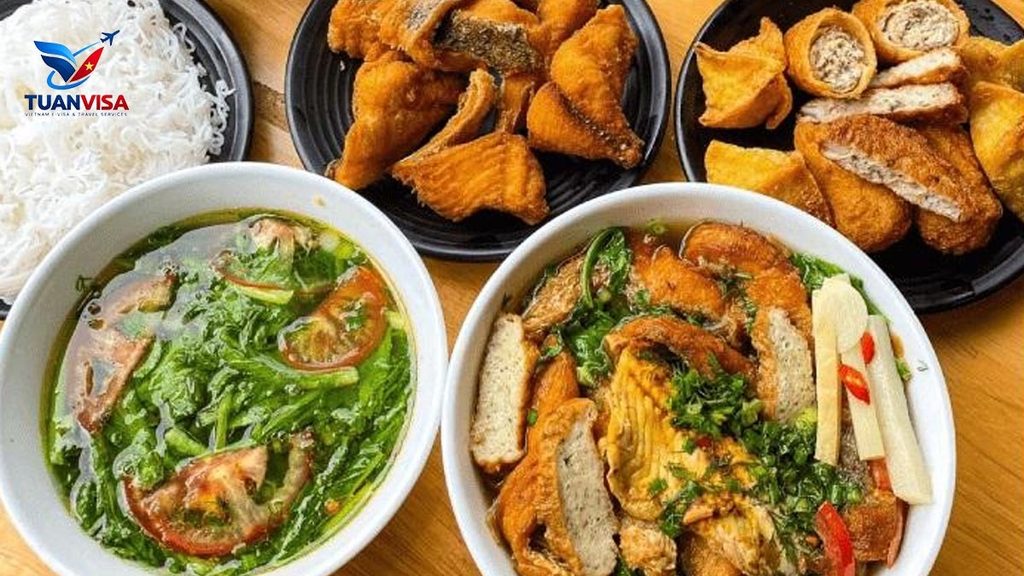
Hanoi’s culinary traditions feature comforting noodle soups, grilled pork and carefully balanced seasonings
Central Vietnam From Hue to Hoi An
Central Vietnamese cuisine reflects coastal ingredients, historical traditions and distinctive local cooking methods. Hue is particularly famous for imperial-inspired dishes, including spicy bún bò Huế and small steamed rice cakes such as bánh bèo. Further south, Hoi An and Da Nang offer cao lầu, mì Quảng and white rose dumplings, each with distinctive textures and regional ingredients.
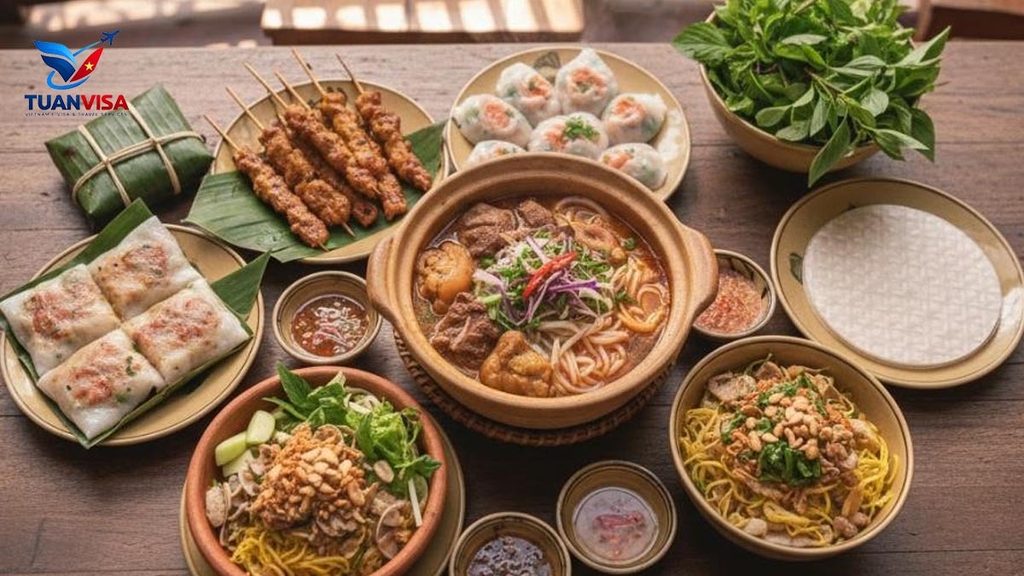
Central Vietnam is known for distinctive regional dishes, rich seasonings and traditional culinary heritage
Southern Vietnam and the Mekong Delta
Southern Vietnamese food often features sweeter seasonings, coconut milk and abundant fresh herbs. Ho Chi Minh City is known for cơm tấm, bánh xèo and hủ tiếu, while the Mekong Delta makes extensive use of freshwater fish, vegetables and tropical produce. Canh chua, a sour fish soup prepared with tamarind, is a representative example of southern cooking.
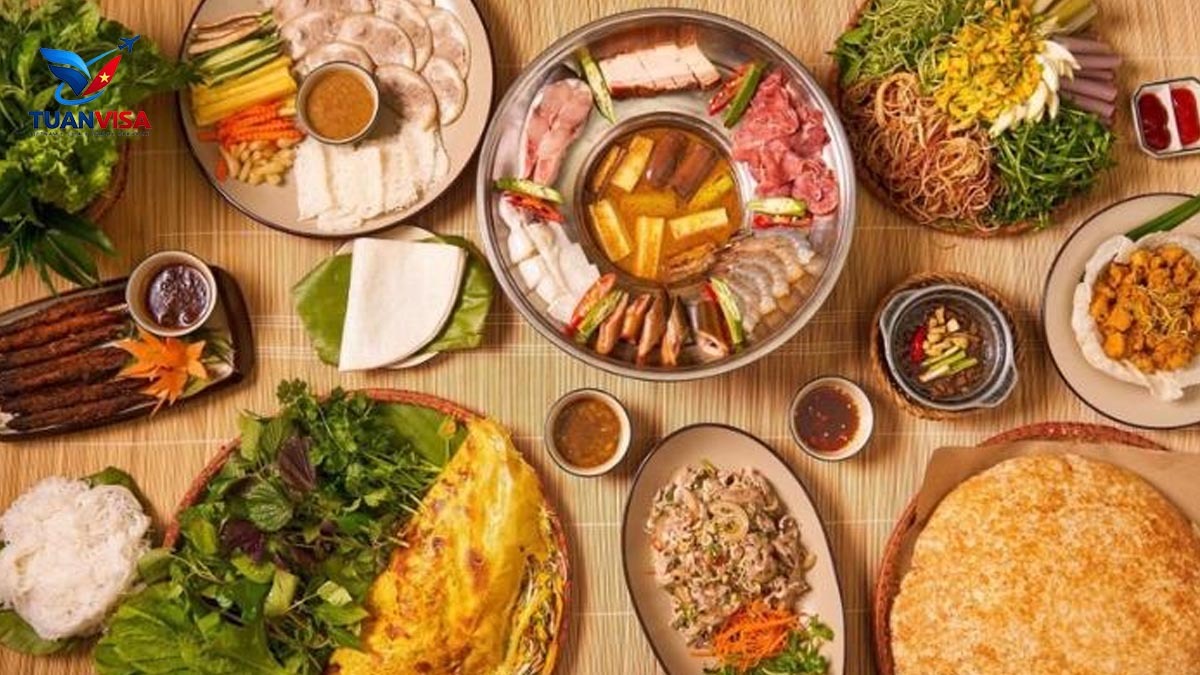
Southern Vietnamese cuisine highlights fresh tropical ingredients, grilled specialties and distinctive sweet-and-sour flavors
Regional Differences in Pho, Bánh Xèo and Grilled Pork Noodles
The same dish can taste noticeably different depending on where it is prepared. Comparing regional versions is an interesting way to explore Vietnamese food, particularly when traveling between northern, central and southern destinations. The following examples highlight common differences, although individual restaurants and family recipes may vary.
| Dish | Northern or Central Style | Southern Style |
| Pho | Clear, savory broth with restrained garnishes | Often served with more herbs and condiments |
| Crispy rice-flour crepe | Hue’s bánh khoái is smaller and served with a distinctive dipping sauce | Bánh xèo is often larger and wrapped with lettuce and herbs |
| Grilled pork and noodles | Hanoi’s bún chả has separate bowls of pork, dipping sauce and noodles | Bún thịt nướng combines grilled pork, noodles, vegetables and sauce |
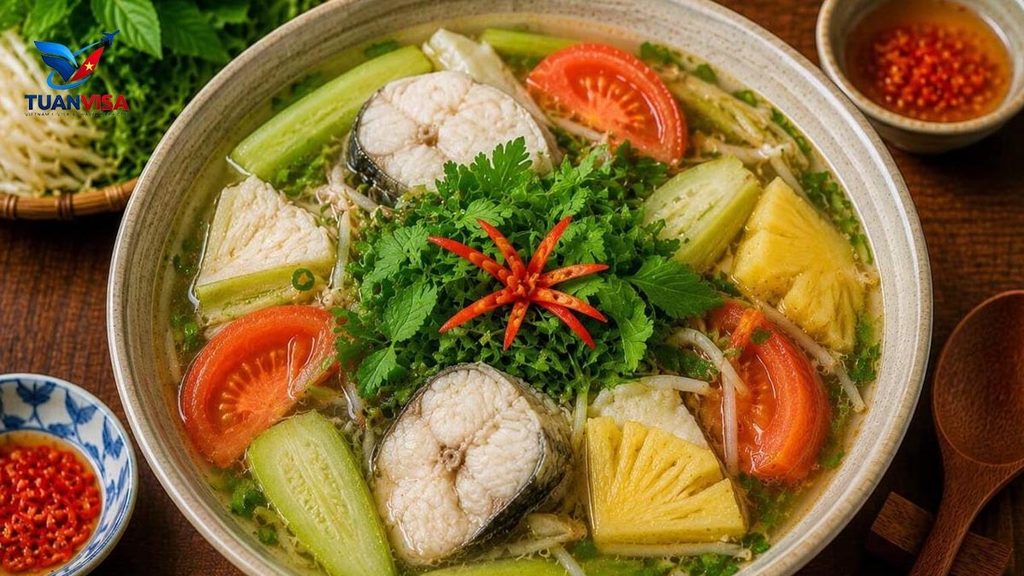
Canh chua is a traditional southern Vietnamese fish soup prepared with tamarind, pineapple and fresh vegetables
Vietnamese Street Food: What to Order and How to Eat Safely
Vietnamese street food is an important part of everyday life, offering affordable meals and authentic local experiences. Understanding ordering customs, food preparation and basic hygiene precautions helps international visitors enjoy these dishes more confidently.
How a Vietnamese Street Stall Works
Many Vietnamese street stalls specialize in one or two dishes rather than offering extensive menus. Customers usually sit on low plastic stools, order directly from vendors and eat at shared tables. Some stalls display prices on boards, while others use printed menus or verbal communication. Pointing at a dish or showing a photograph is often enough to place an order.

Local Vietnamese street food stalls offer freshly prepared dishes and an authentic everyday dining experience
Food Hygiene and Safety at Vietnamese Street Stalls
Choosing busy vendors with frequent customer turnover, clean cooking surfaces and properly stored ingredients can reduce food-related risks. Prefer meals cooked to order and served hot rather than meat or seafood left unrefrigerated. Be cautious with untreated tap water, uncertain ice sources, raw vegetables and undercooked seafood, particularly if you have a sensitive stomach.
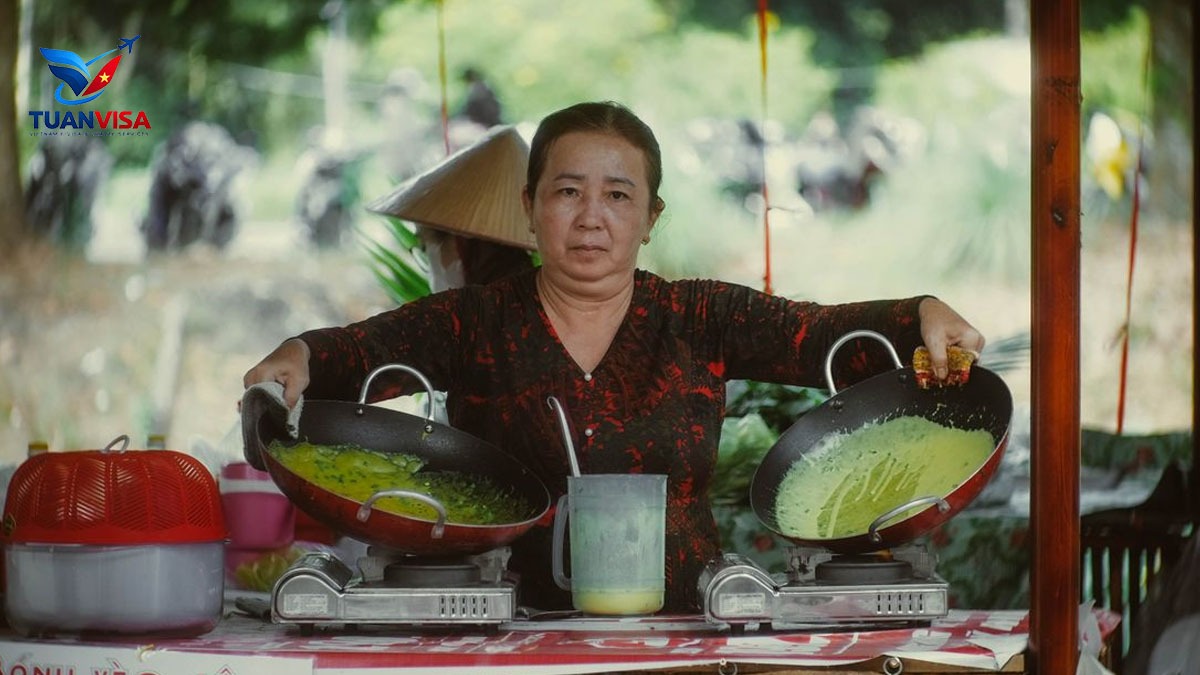
Freshly cooked Vietnamese street food is best enjoyed when ingredients are handled carefully and served hot
Ordering Food, Using Herbs and Adding Condiments
Ordering Vietnamese food becomes easier when you recognize basic expressions such as bò (beef), gà (chicken), không cay (not spicy) and không hành (no onion). Herbs, lime, chili and dipping sauces are usually provided separately. Taste the original broth before adding seasoning, and use chopsticks for noodles and a spoon for soup. Ask about unfamiliar ingredients when necessary.
Best Times of Day to Explore Vietnamese Street Food
Breakfast is ideal for pho, bún riêu and sticky rice, as many noodle stalls open early and may sell out before lunchtime. Bún chả and cơm tấm are popular midday choices, while evenings offer grilled seafood, snacks and desserts. Check restaurant opening hours and prices before visiting, particularly in busy tourist areas.
Best Vietnamese Food for First-Timers, Vegetarians and Adventurers
Vietnam offers a wide range of dishes for different preferences and dietary requirements. Choosing familiar ingredients first and gradually exploring unfamiliar specialties makes the culinary experience more comfortable.
Mild and Familiar Dishes for First-Time Visitors
Bánh mì, chicken pho, gỏi cuốn and bún thịt nướng are approachable choices for visitors unfamiliar with Vietnamese flavors. They feature recognizable ingredients such as bread, chicken, pork, vegetables and rice noodles. If you prefer mild food, request chili on the side and begin with smaller portions before exploring stronger seasonings.
Vegetarian, Vegan and Allergy-Friendly Food Choices
Restaurants displaying the word chay generally specialize in vegetarian meals, including plant-based noodle soups, rice dishes and spring rolls. However, apparently vegetarian food may contain fish sauce, shrimp paste or meat-based broth. Common allergens include peanuts, shellfish, fish and soy. Travelers with serious allergies should prepare a written Vietnamese explanation and confirm ingredients before ordering.
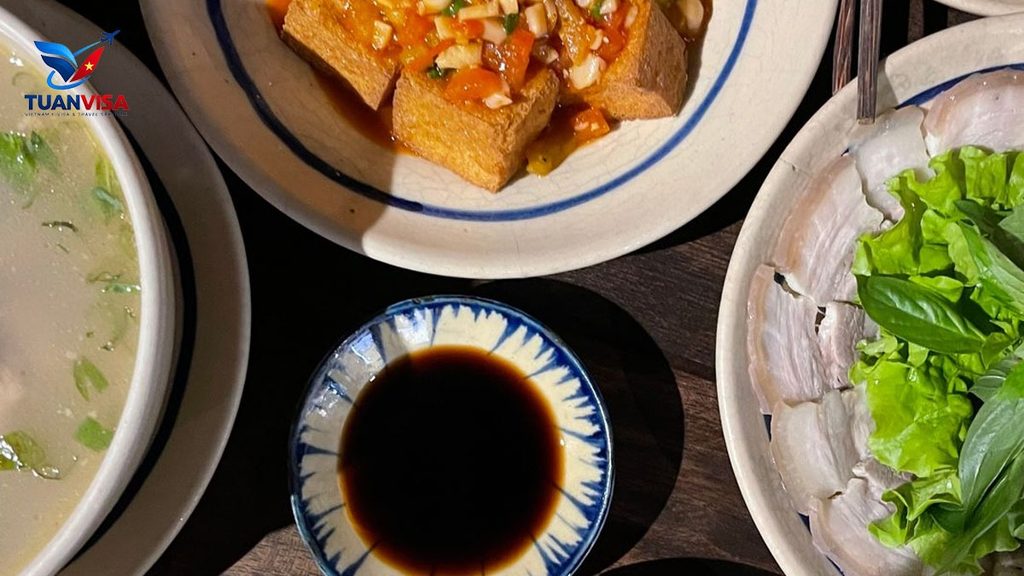
Vietnamese vegetarian cuisine offers a variety of tofu dishes, fresh vegetables and flavorful plant-based meals
Adventurous Dishes and Unfamiliar Vietnamese Ingredients
Some Vietnamese specialties feature stronger aromas and unfamiliar textures, offering adventurous visitors an opportunity to explore traditional food culture. Bún đậu mắm tôm combines tofu, rice vermicelli, herbs and fermented shrimp paste, while other regional dishes may include snails, eel or offal. Ask about preparation methods and avoid raw or undercooked animal products.
Vietnamese Desserts and Drinks From Chè to Egg Coffee
Vietnamese desserts include chè, a broad family of sweet soups and puddings made with beans, coconut milk, jelly, fruit and sticky rice. Egg coffee is strongly associated with Hanoi, while salt coffee is popular in Hue. Fresh sugarcane juice, coconut water and Vietnamese iced coffee are also widely available, although travelers should choose drinks prepared with safe water and clean equipment.
How to Plan a Vietnam Food Trip From Hanoi to Ho Chi Minh City
A north-to-south food itinerary allows travelers to experience Vietnam’s regional specialties within one journey. Choosing destinations around local dishes and seasonal conditions helps create a more enjoyable and practical travel schedule.
A North-to-South Eating Route Through Vietnam’s Main Food Regions
This sample itinerary introduces five destinations with distinctive culinary identities. Travelers can adjust the route according to arrival airports, departure cities and available time, allowing enough time to explore local restaurants and markets.
| Stop | Dishes to Look For | What to Expect |
| Hanoi | Pho, bún chả, bánh cuốn, egg coffee | Northern classics and balanced flavors |
| Hue | Bún bò Huế, cơm hến, bánh bèo | Imperial food traditions and bold seasoning |
| Hoi An or Da Nang | Cao lầu, mì Quảng, white rose dumplings | Regional noodles and local specialties |
| Ho Chi Minh City | Bánh xèo, cơm tấm, hủ tiếu | Diverse southern dishes and street food |
| Mekong Delta | Canh chua, river fish, hủ tiếu | Fresh river ingredients and tropical produce |
Seasonal Weather Considerations for a Vietnam Food Trip
Weather affects how comfortable it is to explore outdoor markets, walk between street stalls and join food tours. Northern Vietnam generally experiences cooler conditions from November to March, while central Vietnam often has wetter conditions from around September to December. Southern Vietnam remains warm throughout the year, with a rainy season typically lasting from May to November. Check current forecasts before confirming travel dates, and remember that many family-run businesses close temporarily during Lunar New Year (Tết).
Food Tours, Cooking Classes and Independent Dining
Guided food tours are convenient for first-time visitors who want to sample several dishes while learning about local ingredients and customs. Cooking classes provide hands-on experience with traditional recipes, while independent dining offers greater flexibility for exploring restaurants and markets. A practical approach is to join one guided tour early in the trip before discovering additional food destinations independently.
Arrival-Day Meals and Airport Transfer Preparation
After a long flight, a freshly prepared bowl of chicken pho, a simple rice meal or a bánh mì can be a comfortable first choice. Arrange accommodation and airport transportation before landing, particularly when arriving late at night. Preparing travel documents and entry arrangements in advance also helps prevent unnecessary delays before beginning your Vietnamese food experience.

Vietnamese desserts and drinks range from colorful sweet soups to Hanoi egg coffee and refreshing local beverages
Vietnamese Food Mistakes: Names, Myths and Tourist Traps to Know
Understanding regional food names, common misconceptions and restaurant practices helps international visitors avoid confusion. A little preparation can make menus easier to understand and restaurant choices more reliable.
Regional Names for Fresh Rolls, Fried Rolls and Pork Sausage
Vietnamese dishes sometimes have different names depending on the region. Fresh spring rolls are commonly called gỏi cuốn in the south and nem cuốn in northern areas. Fried spring rolls are generally known as chả giò in the south and nem rán in the north. Vietnamese pork sausage is also called giò lụa in northern usage and chả lụa in the south. These differences reflect regional language habits rather than entirely different dishes.
Common Myths About Vietnamese Food and Its Health Benefits
Pho is one of Vietnam’s most recognizable dishes, but the cuisine includes far more than noodle soups. Vietnamese food also features rice meals, grilled meat, seafood, vegetarian dishes and desserts. It is not always spicy because chili is often served separately, and it is not automatically healthy. Fried foods, sugary drinks and salty sauces are also common, so consider the ingredients and preparation of each meal.
Tourist Restaurant Traps and Ways to Find Authentic Local Food
Restaurants with high online visibility do not always offer the best dining experience. Some establishments near major attractions charge higher prices without providing particularly memorable food. Check recent reviews, opening hours and customer photographs before visiting. Look for places with regular local customers, clean preparation areas and clearly displayed prices.
Check Your Vietnam Entry Requirements Before Booking a Food Trip
Planning a food trip also means understanding the country’s entry requirements. Visa conditions depend on nationality, passport type and intended length of stay, so international visitors should check their eligibility before confirming travel arrangements.
Vietnam Visa Requirements for International Food Travelers
Whether you need a visa depends on your nationality and the conditions attached to your passport. Vietnam grants visa exemptions to eligible travelers from certain countries for specific periods, while other visitors may need an electronic visa or another appropriate entry document.
Vietnam’s e-Visa is available to citizens of all countries and territories, with a maximum validity of 90 days and single-entry or multiple-entry options. However, the validity granted depends on the approved application.
Vietnam Visa Application Timing and Processing Considerations
Apply once your travel dates and entry plans are reasonably clear, leaving sufficient time for processing and possible corrections. The official e-Visa procedure states a processing period of three working days after receiving the required information and payment, but this is not a guaranteed approval date. Government fees are USD 25 for single-entry and USD 50 for multiple-entry applications, and are non-refundable if refused.
Check passport details, photographs, entry dates and border gates carefully. For time-sensitive cases, TuanVisa’s E-Visa Application service offers assistance with application preparation and review. The final approval decision remains with Vietnamese immigration authorities.
Essential Travel Documents Before Departing for Vietnam
Before departure, confirm that your passport meets Vietnam’s entry conditions and that your visa or visa-exemption eligibility covers your intended stay. Save copies of your accommodation details, flight information, travel insurance and approved e-Visa where applicable. Research restaurants near your arrival accommodation and prepare basic Vietnamese food vocabulary. Taking care of these practical details in advance allows you to focus on exploring local markets, regional specialties and the country’s diverse culinary culture.

Check Your Vietnam Entry Requirements Before Booking a Food Trip
>>> Read more: Vietnam eVisa Requirements 2027: Documents, Eligibility, Fees
Conclusion
Vietnamese food offers much more than internationally famous dishes such as pho and bánh mì. Fresh ingredients, fragrant herbs, balanced seasonings and distinctive regional specialties create a culinary experience that changes from northern Hanoi to central Hue and southern Ho Chi Minh City. Whether you prefer traditional noodle soups, vibrant street food, vegetarian meals or unfamiliar local specialties, Vietnam offers something worth exploring. Plan your destinations, understand local food customs and check your Vietnam entry requirements before departure.