
A Vietnam visa for foreigners depends mainly on nationality, passport type, length of stay and purpose of travel. Eligible passport holders can enter visa-free for a limited period, while most other visitors can apply for an electronic visa (eVisa) of up to 90 days. Employment and long-term residence require separate arrangements, usually involving a Vietnamese sponsor.
Which Visa Do You Need? Exemption, eVisa or Sponsored Visa
The right entry route depends on your passport and what you intend to do in Vietnam. A short holiday, business visit, local employment and long-term family stay are treated differently, so identify your purpose before choosing a visa or making travel arrangements.
Main legal entry routes for foreign visitors
Foreigners can enter Vietnam through a visa exemption, an electronic visa, or a visa issued with sponsorship from a Vietnamese individual or organization. Eligible travelers may also obtain a visa through a Vietnamese embassy or consulate. Visa on arrival is not a general walk-in option; it is limited to qualifying situations and requires the relevant prior approval.
Vietnam’s eVisa is designed for eligible short-term visits and can be issued for up to 90 days, with single or multiple entry. It does not grant permission to work and is not a residence permit. Foreigners planning to take a job or live in Vietnam long term must arrange an appropriate sponsored visa and meet the relevant legal conditions.
Choosing the right entry route for your trip
Use the table to identify the route that may fit your circumstances. The final requirements depend on your passport, travel purpose and supporting documents. If your situation involves employment, family sponsorship or a stay beyond the permitted period, confirm the correct category before travelling rather than relying on a tourist visa.
| Your situation | Likely route | What to check |
| Eligible passport, short visit | Visa exemption, usually up to 45 days for the relevant group | Nationality, passport validity and entry conditions |
| US, Canada, Australia or India passport | eVisa, if eligible | Apply before travelling |
| ASEAN passport holder | Bilateral visa exemption | Country-specific stay limit |
| Stay longer than the permitted period | New visa or another eligible sponsored route | Arrange approval before the current stay expires |
| Employee of a Vietnamese company | LD1 or LD2 work visa route | Work permit or exemption and employer sponsorship |
| Retiree planning an extended stay | No dedicated retirement visa | Genuine investment, family or other eligible route |

Foreign travelers prepare their passports and travel documents before entering Vietnam
Who Can Enter Vietnam Without a Visa? Stay Limits Explained
Visa-free entry can reduce both paperwork and travel costs, but it is available only to eligible passport holders and applies for a limited period. Vietnam has unilateral exemptions, bilateral agreements and a separate exemption for Phu Quoc Island. Check the exact rule for your passport before relying on a visa-free stay.
Countries eligible for a 45-day visa exemption
Vietnam grants eligible citizens of designated countries stays of up to 45 days without a visa. The current exemption groups include Germany, France, Italy, Spain, the United Kingdom, Russia, Japan, South Korea, Denmark, Sweden, Norway, Finland, Belarus, Belgium, Bulgaria, Croatia, the Czech Republic, Hungary, Luxembourg, the Netherlands, Poland, Romania, Slovakia, Slovenia and Switzerland. Conditions and policy expiry dates differ by group, so verify your nationality against the latest government list.
ASEAN and bilateral visa-free stay limits
Bilateral agreements provide different visa-free periods depending on nationality. Common examples include 30 days for citizens of Cambodia, Laos, Malaysia, Myanmar, Singapore and Thailand; 21 days for the Philippines; 14 days for Brunei and Indonesia; and up to 90 days for Chile and Panama. These examples are not a substitute for checking the current Ministry of Foreign Affairs list before departure.
The 30-day visa exemption for Phu Quoc Island
Foreign passport holders may qualify for a stay of up to 30 days on Phu Quoc without a visa when the island is their final destination in Vietnam. The exemption can apply to direct international arrivals and qualifying transit arrangements through an international airport or seaport. It is limited to Phu Quoc; travelling onward to mainland Vietnam may require a separate visa.
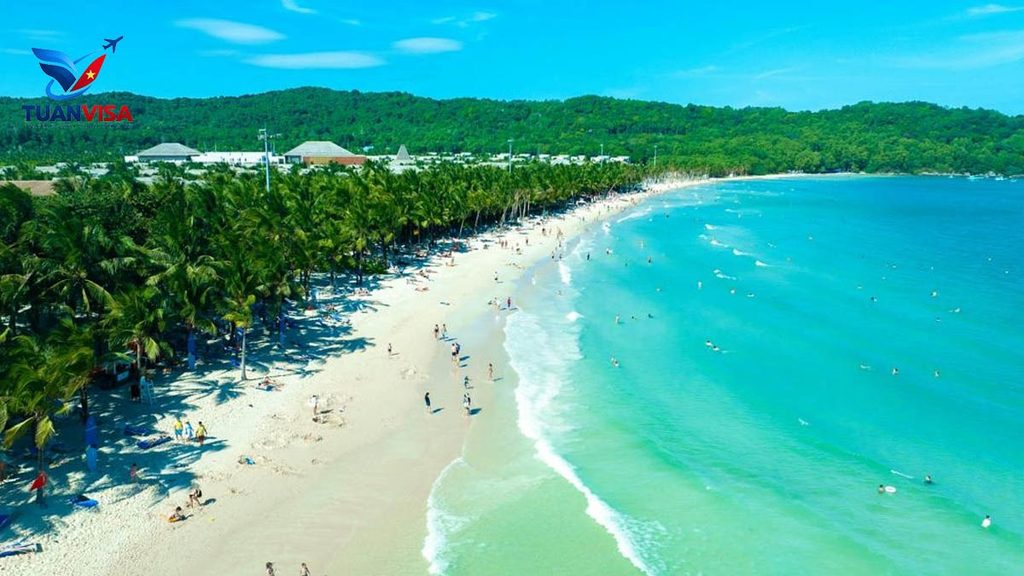
Phu Quoc Island offers eligible foreign passport holders a visa exemption of up to 30 days under specific entry conditions
Conditions that apply to visa-free entry
Visa exemption does not remove every entry requirement. Travelers must hold an eligible passport, meet the applicable validity conditions and satisfy Vietnam’s general entry rules. The permitted stay starts from the date of entry and cannot be exceeded. Visa-free status also does not automatically authorize employment, and travelers should check whether their exemption is limited to tourism or covers other purposes.
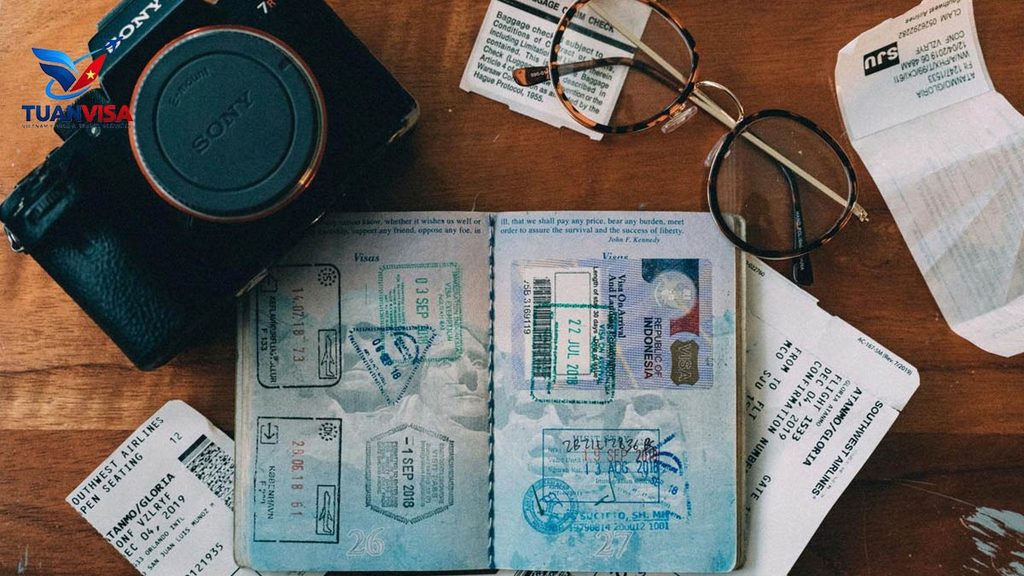
Passports and visa documents represent the different entry options available to foreign visitors traveling to Vietnam
How to Get a Vietnam eVisa: Fees, Documents and Processing Time
The Vietnam eVisa is the main online option for many visitors who do not qualify for visa-free entry. Before applying, prepare the correct passport details, a suitable portrait photo, travel dates and entry information. Check the official portal carefully because an incorrect application can delay approval or create problems at check-in.
Official Vietnam eVisa fees and refund rules
The government eVisa fee depends on the number of permitted entries. The official fee is generally US25 for asingle-entryeVisa and US50 for a multiple-entry eVisa. The government fee is non-refundable if the application is refused. If you use a private assistance provider, its service charge is separate and should be clearly itemized before payment.
| Fee type | Paid to | Amount |
| Government fee, single entry | Vietnamese government | US$25 |
| Government fee, multiple entry | Vietnamese government | US$50 |
| TuanVisa service fee, if assisted | TuanVisa | Quoted separately |
Passport scan and portrait photo requirements
Applicants generally need a clear digital image of the passport information page and a recent portrait photograph that meets the portal’s specifications. The information entered in the form must match the passport, including full name, date of birth, passport number and expiry date. Follow the current image size, background and file-format instructions displayed on the official application portal.
Once your documents are ready, you can complete the Vietnam eVisa application form. TuanVisa provides an initial review to help identify missing or inconsistent information before the next step.
Entry Rules Before You Fly: Passport, Arrival Card and Ports
An approved eVisa is only one part of preparing for entry. Your passport, travel details and chosen border gate must also meet the applicable rules. Some airports may introduce additional pre-arrival procedures, so check the latest instructions shortly before departure and keep your travel documents accessible.
Passport validity and blank-page requirements
Vietnam’s published visitor guidance generally advises travelers to hold a passport valid for at least six months beyond the date of entry, with at least two blank pages available for immigration stamps. The visa itself may also be issued for a period shorter than the passport’s remaining validity. Renew a passport that is close to expiry before submitting an application.
Digital pre-arrival information and health declarations
Vietnam introduced a pre-arrival information system at Tan Son Nhat International Airport in April 2026. The Immigration Department described the system as a pilot and stated that it was optional during the initial implementation.
Entry and exit points permitted under an eVisa
An eVisa is associated with the entry and exit border gates selected in the application, and travelers must use eligible international border gates. Vietnam’s designated points include international airports, land crossings and seaports. Confirm that the selected gate matches your actual itinerary, particularly if you plan to change airports, cross a land border or depart by sea.
Printed eVisa and proof of onward travel
Keep a printed copy of the approved eVisa and a digital copy that you can access without an internet connection. Carry the passport used in the application and check that the visa details match it. Airlines or immigration officers may also ask for evidence of onward or return travel, accommodation or other supporting details depending on your route and entry conditions.
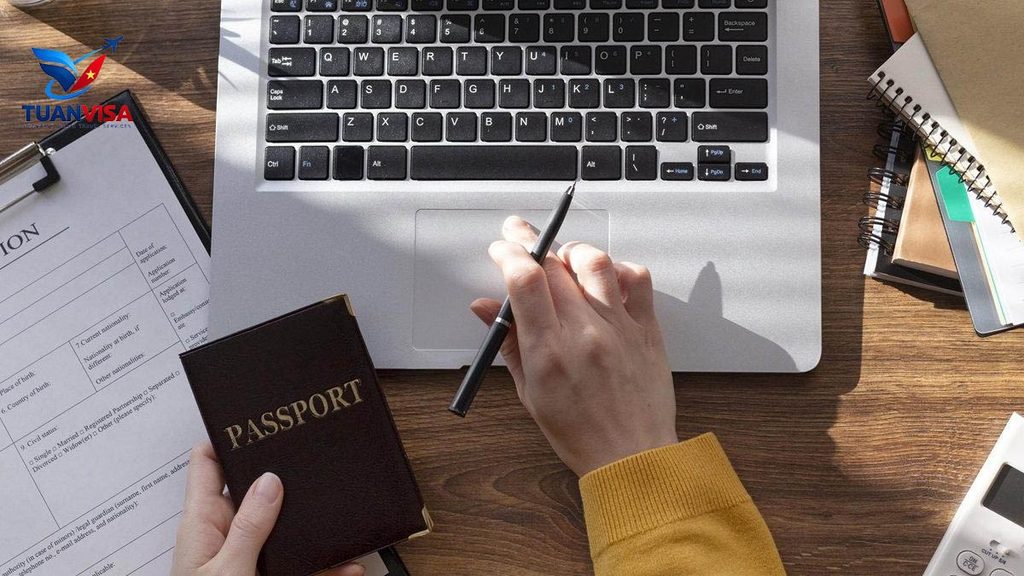
Travelers can prepare their passport details and travel documents before completing the Vietnam eVisa application online
If you prefer guided assistance with your application, explore the TuanVisa Vietnam eVisa assistance service. You can review the support process, document requirements and available options before submitting your request.
Vietnam Work Visa Requirements for Foreigners: What Employers Handle
A work visa is not an extended tourist eVisa. Foreign nationals generally need a qualifying job, an employer or sponsor in Vietnam and the required work permit or work-permit exemption. The employer usually coordinates the administrative process, while the worker supplies personal, professional and supporting documents.
A visa exemption or tourist eVisa does not give a foreign visitor permission to take up employment in Vietnam. Working without the required authorization can lead to administrative penalties and other immigration consequences. Before starting a job, confirm whether the position requires a work permit or qualifies for an exemption, and make sure the correct visa arrangements are in place.
Differences between LD1, LD2 and DN business visas
LD1 and LD2 are work-related visa categories, while DN1 and DN2 cover specified business activities and do not replace employment authorization. LD1 generally applies to foreign workers exempt from a work permit; LD2 applies to workers who need one. Under the current visa framework, LD visas may be valid for up to two years, while DN visas may be valid for up to 12 months.
| Visa | Main purpose | Work permit position | Maximum validity |
| LD1 | Work by a foreigner exempt from a work permit | Exemption applies | Up to 2 years |
| LD2 | Work by a foreigner who requires a work permit | Required | Up to 2 years |
| DN1 or DN2 | Specified business activities | Does not itself authorize employment | Up to 12 months |
Documents prepared by the employer and foreign worker
The employer normally submits the work permit application or exemption-related documents to the competent authority. The worker may need to provide a passport copy, qualifications, experience records, a criminal record certificate, a health certificate and other documents required for the role. Decree 219/2025/ND-CP changed parts of the procedure, so both parties should use the latest checklist from the responsible authority.
Work visa process and expected timeline
The process may involve employer preparation, work-permit or exemption procedures, visa sponsorship, entry and, where eligible, an application for a temporary residence card. The time required depends on the worker’s documents, job category, employer and authority handling the case. Ask the employer for a stage-by-stage schedule and begin well before the intended start date.
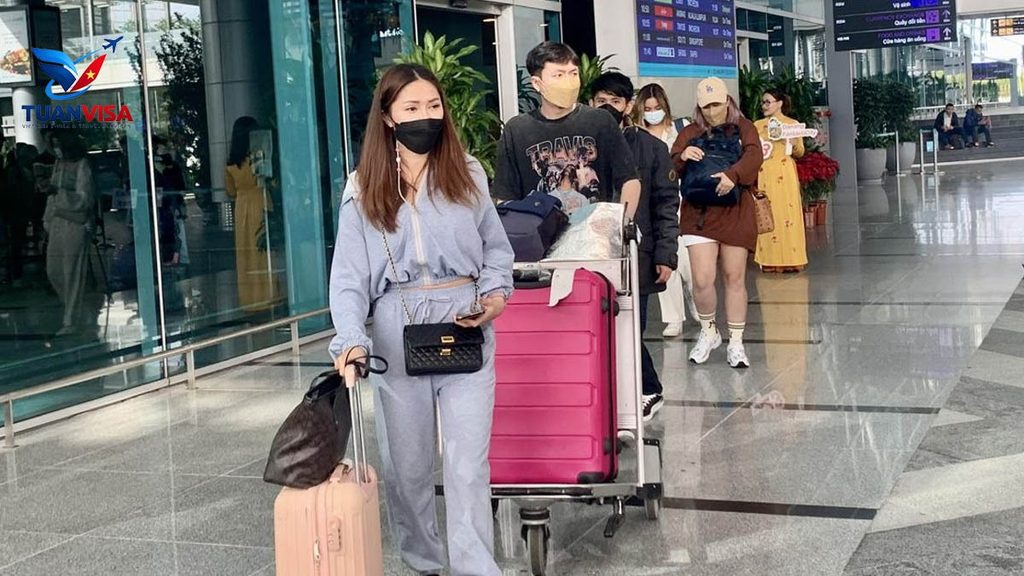
Foreign travelers arrive at a Vietnamese airport and proceed through the entry process with their passports and approved travel documents
Is There a Vietnam Retirement Visa? Long-Stay Options Compared
Vietnam does not currently provide a dedicated retirement visa category for foreign nationals. Retirees therefore need to assess other lawful routes based on their circumstances, such as qualifying family sponsorship or genuine investment. Repeated short-term visits may be possible for some travelers, but they should not be treated as a guaranteed long-term residence solution.
Vietnam has no dedicated retirement visa in 2027
Vietnam’s immigration visa categories do not include a specific retirement visa for foreigners. A person cannot obtain a long-term stay simply by demonstrating retirement status, pension income or savings. Proposals or media discussion about a possible future retirement or “golden” visa should not be treated as current law unless the Vietnamese authorities formally introduce the category.
Long-stay routes available to foreign retirees
Retirees may qualify for a family-sponsored visa if they have an eligible relationship with a Vietnamese citizen or resident sponsor, or an investor visa if they make a genuine qualifying investment. Some visitors also make separate short-term trips using eVisas when eligible. Each route has its own legal basis, sponsor requirements, costs and duration; retirement alone does not qualify someone for an investor visa.
Repeated eVisas and visa runs for extended visits
Some visitors leave Vietnam and apply for a new eVisa when they want to return for another short stay. This approach depends on a new application being approved and does not create a right to continuous residence. Vietnam does not guarantee an in-country extension or automatic renewal of an eVisa, so plan departures and re-entry only after checking current rules.
Overstay penalties and risks of an expired visa
Staying beyond the authorized period can lead to administrative fines, difficulties with future immigration applications and, in serious cases, deportation or restrictions on re-entry. Penalties depend on the length and circumstances of the overstay and may change under new regulations. Track the expiry date carefully and contact the competent immigration authority before your permitted stay ends if a problem arises.

Some foreign retirees choose to spend extended periods in Vietnam, but they must qualify under an existing immigration category
Common eVisa Mistakes, Delays and Look-Alike Websites to Avoid
Many application problems are preventable. Small differences between the passport and application form, poor-quality uploads or incorrect travel details can delay processing or lead to an unsuccessful application. Travelers should also make sure they are using the government portal rather than a website that imitates an official service.
Application errors that can delay or affect approval
- A name, date of birth or passport number that does not match the passport.
- A blurry, cropped or unsuitable portrait photo or passport scan.
- Incorrect travel dates or an entry or exit gate that does not match the itinerary.
- A mistyped email address that prevents the applicant from receiving updates.
- Missing, incomplete or inconsistent contact and accommodation information.
Actions to take when an eVisa is delayed
- Check the application status on the official portal using the registration code.
- Review the submitted details and follow any correction instructions shown by the portal.
- Contact the relevant official support channel if the application remains unresolved.
- Avoid relying on non-refundable travel arrangements until the approved eVisa is available.
- If departure is approaching, seek advice about available options; no private provider can guarantee government approval or processing time.
Government eVisa fees and private service fees explained
- The government fee is paid for the official eVisa application through the government payment system.
- A private service fee covers optional assistance, such as reviewing information or helping prepare an application.
- The official government eVisa fee is non-refundable if the application is refused.
- Ask for a clear breakdown of government charges and service charges before paying.
- Applicants who submit their own applications through the official portal do not need to pay a private assistance fee.
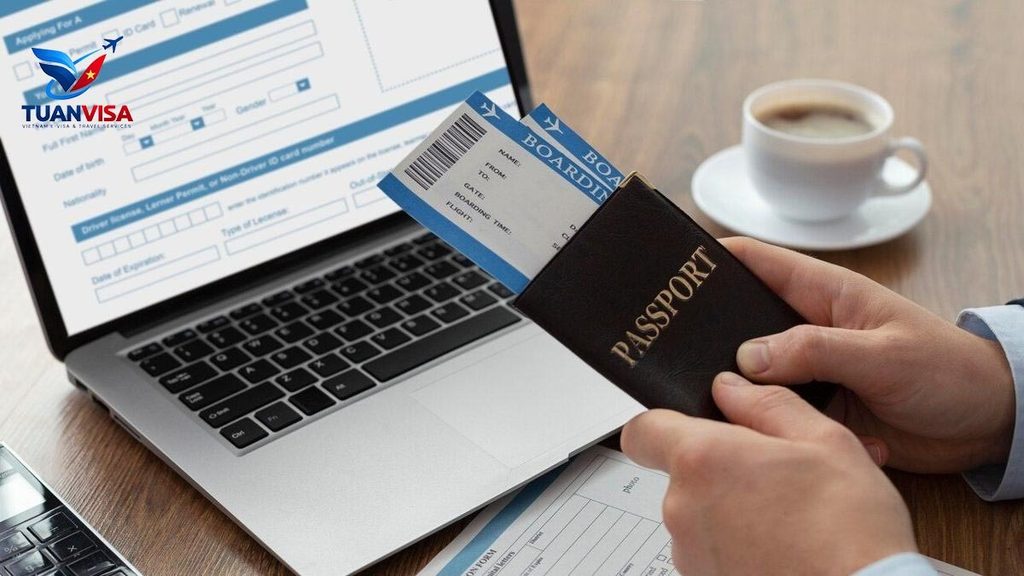
Checking passport details, application information and supporting documents carefully can help prevent common eVisa errors and processing delays
Apply Yourself or Use Assistance: How to Choose Your Next Step
Once you know which visa route may apply, decide whether you are comfortable completing the application independently or would benefit from an additional document review. The right choice depends on the complexity of your case, the time available and how confident you are that every detail is correct.
Situations where document review or urgent assistance may help
An additional review can be useful if you are unsure about the information required, have complicated travel details or want someone to check your documents before submission. It may also help when your departure date is approaching and you need support understanding the available steps. Assistance is optional and cannot guarantee approval or shorten the authority’s processing time.
What a private visa assistance service can and cannot do
TuanVisa is a private visa assistance service, not a government agency or visa-issuing authority. It can help review application information, explain the process and provide support, but it cannot decide an application, override immigration requirements or guarantee approval. Its assistance process includes submitting details, reviewing the information and receiving an update with a Reference ID for follow-up.
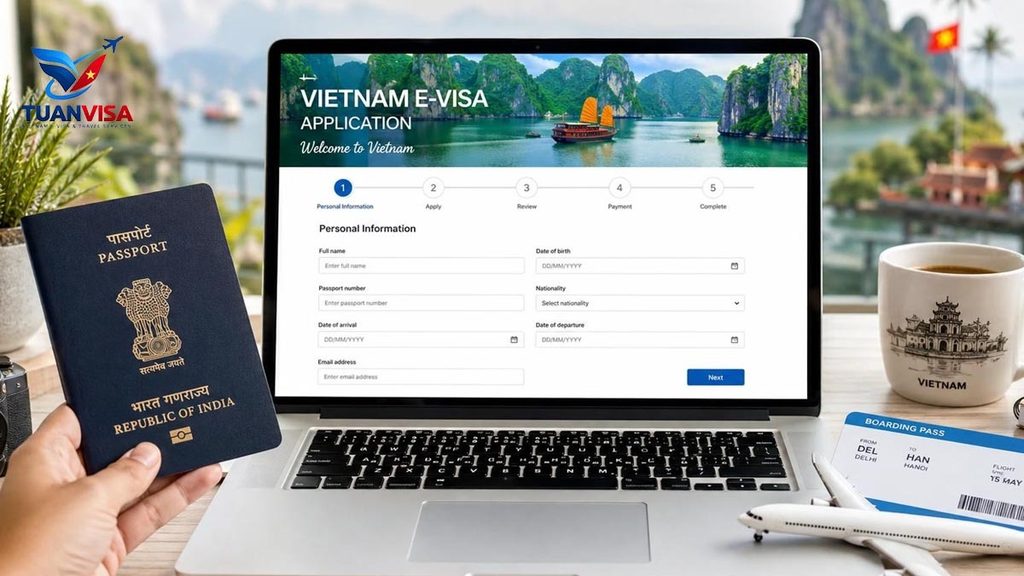
Applicants can review their visa documents independently or seek optional professional assistance before submitting their applications
>>> Read more: Vietnam eVisa Requirements 2027: Documents, Eligibility, Fees
FAQs
Do foreigners need a visa to visit Vietnam?
Many foreign visitors need a visa, but eligible passport holders can enter visa-free for a limited period. Others can apply for an eVisa of up to 90 days.
How much is a Vietnam eVisa?
The official government fee is US25forasingle-entryeVisaandUS50 for a multiple-entry eVisa. The fee is non-refundable if the application is refused.
Can foreigners work in Vietnam on an eVisa?
No. An eVisa does not authorize employment. Foreign workers generally need a work permit or qualifying exemption and the appropriate sponsored visa.
Does Vietnam offer a retirement visa?
Vietnam does not currently have a dedicated retirement visa. Retirees must qualify under another immigration category, such as an eligible family-sponsored or investor route.
How long does Vietnam eVisa processing take?
The commonly published estimate is three to five working days. Actual processing can take longer, so applicants should apply well before departure.
Can foreigners visit Phu Quoc without a visa?
Eligible foreign passport holders may stay on Phu Quoc for up to 30 days without a visa if they meet the island exemption conditions. The exemption does not automatically cover travel to mainland Vietnam.
Conclusion
Choosing the right Vietnam visa for foreigners depends on your nationality, travel purpose and length of stay. Check the latest entry requirements and prepare your documents before travelling. If you need help with your eVisa application, TuanVisa offers optional assistance to review your information and guide you through the process. Final visa approval remains with Vietnamese immigration authorities.
