

The Vietnam cost of living is relatively affordable compared with many Western countries, making it an attractive destination for tourists, expatriates and families. A single person typically spends around 400–550 per month excluding rent, while a family of four may need approximately 1,600–2,200. But what is the cost of living in Vietnam when accommodation, food, transportation and healthcare are included? The answer depends on your city, lifestyle, household size and length of stay.
What Is the Average Cost of Living in Vietnam?
The average monthly cost of living in Vietnam for a single person is approximately 400–550, excluding rent. A family of four may spend around 1,600–2,200 before accommodation expenses. These figures provide a general starting point rather than fixed costs because spending patterns differ between cities and households.
| Item | Monthly estimate (USD) |
| Single person, excluding rent | 400–550 |
| Family of 4, excluding rent | 1,600–2,200 |
| One-bedroom rent, city centre | 230–660 |
Cost of Living in Vietnam Compared with Western Countries
Vietnam generally offers lower everyday expenses than the United States, the United Kingdom and Australia, particularly for local food, transportation, accommodation and personal services. However, the difference becomes smaller when foreigners choose international schools, imported groceries, premium apartments or private healthcare. Local restaurants, traditional markets and affordable transportation provide some of the biggest savings. Your lifestyle and accommodation choices therefore play an important role in determining the overall cost of living in Vietnam.
Currency and Price Estimates for Living Costs in Vietnam
All prices in this guide are presented in US dollars (USD), using an approximate exchange rate of 25,000–26,000 VND per dollar. Figures are rounded estimates based on indicative 2025–2026 price levels rather than guaranteed market rates. Actual expenses may change with exchange rates, seasonal demand and local price adjustments. Check current prices before booking accommodation or committing to a long-term budget.

Everyday life in Vietnam offers a mix of affordable local food, convenient services and diverse accommodation options
Cost of Living in Hanoi, Ho Chi Minh City, Da Nang and Beyond
The city you choose has a major influence on your monthly budget in Vietnam. Hanoi and Ho Chi Minh City offer extensive services and employment opportunities, while Da Nang and smaller destinations provide alternative accommodation options and lifestyles.
Monthly Cost of Living in Hanoi for Foreigners
A single foreign resident in Hanoi may spend approximately $890 per month, including rent, depending on accommodation and lifestyle. Central districts and popular expatriate neighbourhoods generally have higher rental prices, while areas outside the centre offer more affordable options. Local restaurants, traditional markets and public transportation help control everyday spending. However, traffic congestion and seasonal air pollution are important lifestyle considerations when choosing where to live.
Cost of Living in Ho Chi Minh City and Its Expensive Districts
Ho Chi Minh City can require a monthly budget of approximately $1,040 for one person, including rent, particularly when living in central or expatriate-friendly districts. Modern apartments, international restaurants, private healthcare and convenient services can increase monthly expenses. Districts outside the central business areas often provide more affordable housing without completely sacrificing access to shops, restaurants and public transportation. Comparing neighbourhoods before signing a rental agreement can make a significant difference to your budget.
Affordable Living in Da Nang, Hoi An and Nha Trang
Da Nang, Hoi An and Nha Trang offer alternative living environments for foreigners seeking a balance between affordability and lifestyle. Da Nang has a broad range of apartments, restaurants and modern services, while Hoi An and Nha Trang appeal to visitors interested in coastal living. Monthly expenses can be lower in some neighbourhoods, although seasonal tourism may increase short-term accommodation prices. Availability of international schools, specialist healthcare and other services should also be considered before relocating.
Rental Price Differences Between Foreigners and Local Residents
Foreign tenants sometimes pay more because properties advertised to expatriates often include furniture, building management, maintenance services and convenient locations. Serviced apartments generally cost more than basic local rental properties. Landlords may also request one or two months of rent as a security deposit, alongside advance payment. Compare properties with similar facilities and locations, and confirm whether electricity, water, internet and management fees are included before signing a contract.

Hanoi, Ho Chi Minh City and Da Nang offer different living environments, housing options and monthly expenses for foreign residents.
Monthly Expense Breakdown: Rent, Food, Transport and Utilities
Housing, food, transportation and utilities account for most everyday living expenses in Vietnam. Understanding these categories helps travellers and residents estimate their monthly spending and identify opportunities to reduce costs.
Average Rent and Housing Costs in Vietnam
Accommodation is often the largest expense when calculating the cost of living in Vietnam. Rental prices depend on the city, neighbourhood, apartment size and available facilities. The following figures provide an indicative comparison between central and outer-city locations.
| Apartment type | City centre | Outside centre |
| 1-bed, average | $410 | $270 |
| 1-bed, range | 230–660 | 150–420 |
| 3-bed, average | $840 | $555 |
| 3-bed, range | 460–1,540 | 310–960 |
Food Prices, Groceries and Restaurant Expenses in Vietnam
Food is one of the most affordable parts of everyday life in Vietnam, particularly for people who enjoy local cuisine. A bowl of pho or a serving of fried rice at a street-food restaurant often costs around 1–2, while dinner for two at a mid-range restaurant may cost approximately 19–23. Monthly groceries for one person can range from $80 to $190, depending on cooking habits and whether you purchase local or imported products. Coffee is widely available, with many local options costing around 1.50–2.70.
Monthly Transportation Costs for Motorbike Rental, Grab and Buses
Transportation expenses depend on commuting distance, travel frequency and the city where you live. A local bus ride generally costs around 0.30–0.40, while a monthly public transportation pass may cost approximately $8 where available. Regular Grab rides can increase expenses considerably, particularly for daily commuters. Renting an automatic motorbike may cost around 22–35 per month, although travellers should check applicable licensing, insurance and road-safety requirements before riding.
Electricity, Water, Internet and Mobile SIM Expenses
Utilities are another important part of a monthly living budget. Electricity, water and garbage collection for a typical apartment may cost approximately $75 per month, although electricity bills can rise significantly during hot weather when air conditioning is used frequently. Home internet generally costs around 5–13 per month, while mobile plans are also relatively affordable. Tourists can purchase a local SIM card or eSIM to access mobile data without relying on expensive international roaming.

Housing, groceries, transportation and utilities are the main expenses to consider when calculating a monthly living budget in Vietnam
Cost of Living in Vietnam for a Single Person, Couple or Family
Household size has a direct impact on monthly expenses. Single residents mainly need to budget for accommodation, food and transportation, while couples can share several fixed costs. Families of four must also consider children’s education, healthcare and larger accommodation requirements.
Cost of Living in Vietnam for Single Person
The cost of living in Vietnam for single person is generally manageable with a monthly budget of approximately 400–550, excluding rent. This amount covers food, transportation, utilities and some personal expenses. Adding around $270 for a one-bedroom apartment outside the city centre or $410 in a central location brings the estimated monthly total to approximately 670–960. Sharing accommodation, preparing meals at home and choosing a less expensive neighbourhood can reduce these expenses further.
Cost of Living in Vietnam for Couple
The cost of living in Vietnam for couple is usually less than twice the budget of a single person because partners can share rent, electricity, internet and other household expenses. A couple renting a one-bedroom apartment and eating mostly local food can maintain a relatively affordable lifestyle. However, choosing a larger apartment, dining at international restaurants regularly or using private transportation can increase the total. Couples should also account for healthcare, entertainment and occasional travel when calculating their monthly budget.
Cost of Living in Vietnam for Family of 4
The cost of living in Vietnam for family of 4 is estimated at approximately 1,600–2,200 per month, excluding rent. A three-bedroom apartment may add around 555–840 monthly, depending on its location and facilities. Education is one of the biggest additional expenses, especially for families choosing international schools, where annual tuition can range from several thousand to well over $10,000 per child. Parents should also budget separately for health insurance, medical appointments, childcare and family activities.
Lifestyle choices can change the total cost of living in Vietnam considerably, even for people living in the same city. A lean lifestyle prioritises affordable accommodation and local food, while a comfortable budget allows for private housing and more frequent dining out. Premium living usually involves serviced apartments, international products and private healthcare.
| Level | What it usually means | Monthly total |
| Lean | Shared or outer-district flat, street food, buses | 500–700 |
| Comfortable | Own one-bedroom, mixed eating out, some Grab rides | 800–1,200 |
| Premium | Serviced apartment, Western dining, private healthcare | 1,500–2,500 |

Living costs in Vietnam vary by household size, with families needing to account for larger accommodation, education, healthcare and everyday expenses
Vietnam Cost of Living for Tourists: What a Trip Really Costs
The Vietnam cost of living for tourist differs from the monthly expenses of long-term residents. Visitors generally spend more on hotels, transportation, sightseeing and short-term services, but they do not need to pay for long-term housing or household utilities.
Vietnam Cost of Living for Tourist: Daily Travel Budget
A budget traveller can generally plan to spend around 25–40 per day, while a mid-range tourist may need approximately 60–100. The final amount depends on accommodation, dining preferences, transportation and paid activities. The following table provides indicative prices for common travel expenses.
| Item | Typical price (USD) |
| Hostel dorm bed, per night | 6–12 |
| Guesthouse private room, per night | 18–45 |
| Street-food meal | 1–2 |
| Mid-range dinner for two | 19–23 |
| Local bus ride | 0.30–0.40 |
| Airport taxi to city | 13–20 |
Total Cost of a One-Week and Two-Week Vietnam Trip
A one-week budget trip may cost approximately 175–280, while a mid-range trip can range from 420–700, excluding international flights. A two-week holiday may cost around 350–560 for budget travellers or 840–1,400 for mid-range visitors. Longer stays may offer better accommodation rates, especially when booking weekly or monthly. Remember to include visa-related expenses, travel insurance, domestic transportation and an emergency spending allowance.
Common Tourist Expenses and Ways to Avoid Overpaying
Tourists can sometimes spend more than necessary on transportation, restaurants and organised activities. Unmetered taxis, restaurants without visible menus and unclear motorbike rental agreements are common situations where unexpected charges may arise. Using reputable ride-hailing services, checking prices before ordering and comparing tour packages can help prevent unnecessary expenses. Travellers should also confirm airport transfer costs before leaving the terminal.
Visa, SIM Card and Travel Insurance Expenses for Tourists
Visa fees, mobile connectivity and travel insurance should be included when calculating the total cost of a Vietnam trip. The amount depends on nationality, entry arrangements, travel duration and insurance coverage. Travellers who need help preparing their application can use TuanVisa’s private E-Visa assistance service, which includes application guidance, information review and a Reference ID for tracking. These services are optional and separate from government visa fees.
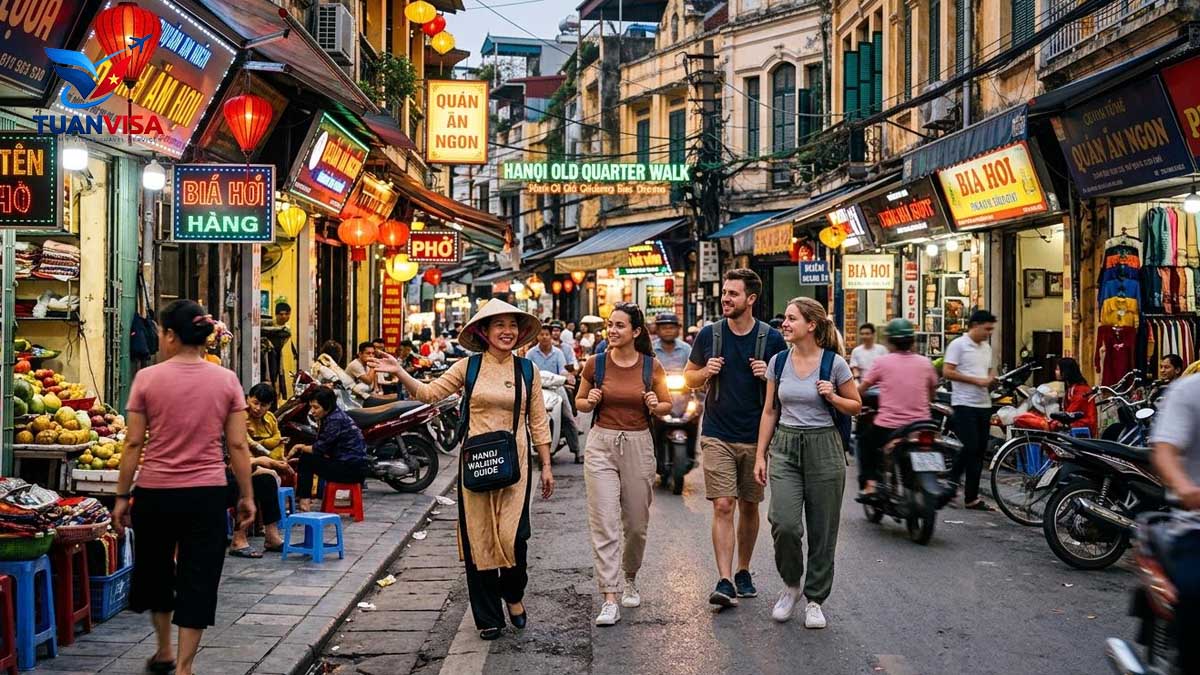
Tourists in Vietnam should budget for accommodation, local food, transportation, sightseeing and other daily travel expenses
Visa Costs in Your Budget: E-Visa Fees, Extensions and Visa Runs
Visa expenses are an important part of planning a trip or an extended stay in Vietnam. The appropriate entry arrangement depends on nationality, travel dates, permitted stay and whether single or multiple entry is required. Travellers should account for government charges and any optional private assistance fees separately.
Vietnam E-Visa Fees and Available Entry Options
Vietnam E-Visa applications have different government fee levels depending on the selected entry type. The commonly published fee structure is $25 for a single-entry E-Visa and $50 for a multiple-entry E-Visa, with a permitted stay of up to 90 days subject to the approved document and applicable conditions. Visa-exempt travellers may enter without paying an E-Visa fee if their nationality and travel circumstances meet the relevant requirements. Additional private assistance charges, when applicable, are separate from government fees.
| Option | Government fee | Permitted stay |
| Single-entry eVisa | $25 | Up to 90 days |
| Multiple-entry eVisa | $50 | Up to 90 days |
| Visa-exempt entry | No visa fee | Depends on eligibility |
Visa Exemption and E-Visa Options for Different Travel Plans
Visa exemption can be a convenient option for eligible nationalities planning a short visit to Vietnam. However, the permitted stay may not be sufficient for travellers intending to remain for several weeks or months. An E-Visa may provide greater flexibility, depending on the applicant’s nationality and travel requirements. Before choosing an option, compare the permitted stay, entry conditions and travel dates rather than looking at the application fee alone.
Visa Extension and Visa Run Expenses for Long-Term Visitors
Travellers who want to remain in Vietnam beyond their current permitted stay need to understand their available immigration options before their permission expires. An extension-related request and a visa run are different arrangements, and neither is automatically available to every traveller. Additional expenses may include service charges, transportation, accommodation and other travel costs. TuanVisa provides visa run and extension planning assistance to help travellers review their current status, important dates and potential next steps before making arrangements.
Government Visa Fees and Private Assistance Service Charges
Government visa fees are paid for the official immigration application, while private assistance fees cover additional support such as application preparation, information checks and communication throughout the service process. TuanVisa is a private assistance provider, not a government agency, and does not issue visas or determine immigration outcomes.
Its Vietnam E-Visa application service guides applicants through the required information, reviews requests for common omissions and provides a Reference ID for tracking. Any service charges should be understood separately from government fees, and final visa approval remains the responsibility of the competent Vietnamese immigration authorities.

Visa fees, entry arrangements and optional application assistance should be included when planning a travel budget for Vietnam
Unexpected expenses can increase your monthly budget in Vietnam. Healthcare, insurance, banking fees and emergencies are important costs to consider before travelling or relocating.
Healthcare and Medical Expenses for Foreigners in Vietnam
- GP consultation: approximately 8–15 at some clinics.
- International hospital consultation: can start around $65.
- Specialist visits: approximately 12–25 at some public hospitals.
- Hospital stays: around 20–300 per night, depending on facilities.
- Request a cost estimate before receiving treatment.
Travel and Health Insurance for Long-Term Stays
- Choose coverage that includes emergency treatment and hospitalisation.
- Consider medical evacuation coverage.
- Check that the policy covers your entire stay in Vietnam.
- Confirm motorbike coverage and valid licensing requirements.
- Keep insurance documents and emergency contacts accessible.
Banking, ATM and International Card Fees
- Check withdrawal fees charged by local ATMs.
- Compare international transaction fees from your bank.
- Avoid unnecessary cash withdrawals to reduce repeated charges.
- Choose payment in Vietnamese dong instead of accepting dynamic currency conversion.
- Carry some cash for traditional markets and street vendors.
Emergency Expenses and Financial Buffers in Vietnam
- Set aside money for unexpected flights and accommodation changes.
- Prepare for passport replacement and administrative expenses.
- Account for missed flights and rebooking fees.
- Keep additional funds for unexpected visa-related expenses.
- Maintain an emergency fund equivalent to at least one month’s planned spending.

Healthcare, insurance, banking charges and unexpected emergencies can increase the actual cost of living in Vietnam
How to Build Your Own Vietnam Budget Before You Book or Move
Understanding average prices is only the first step in planning your finances. A realistic budget should reflect your destination, accommodation, household size, travel duration and personal preferences. The following considerations help turn general estimates into a practical spending plan.
Steps for Creating a Realistic Monthly Budget in Vietnam
Start by choosing your destination and deciding whether you prefer a lean, comfortable or premium lifestyle. Add estimated rent, groceries, restaurant meals, transportation, utilities, insurance and personal expenses to calculate your expected monthly spending. Include an additional 10–15% as a financial buffer for price changes and unexpected costs. Keep visa fees and international flights in a separate line so that one-time expenses do not distort your monthly living budget.
Everyday Habits That Reduce Living Costs for Tourists and Expats
Choosing accommodation outside expensive central districts is one of the most effective ways to reduce monthly spending. Eating at local restaurants, shopping at traditional markets and preparing some meals at home can also make a noticeable difference. Using public transportation, walking in convenient neighbourhoods and comparing rental agreements help control recurring expenses. Planning your itinerary in advance can also reduce unnecessary transportation and accommodation costs.
Visa Planning Before Booking a Long-Term Stay in Vietnam
Visa arrangements should be considered before booking flights or signing a long-term rental agreement. Your nationality, entry type, permitted stay and travel dates all affect the length and structure of your visit. TuanVisa offers private assistance for travellers who want support preparing their E-Visa information and reviewing their application details. Understanding your entry arrangements early helps you plan accommodation, transportation and other expenses more confidently.
Managing Last-Minute Changes to Travel Plans and Visa Dates
Changes to travel dates can affect accommodation bookings, transportation costs and visa arrangements. If your plans change close to departure, first check your current entry permission and the dates shown on your approved documents. Travellers with urgent or complicated circumstances should seek an individual assessment rather than assuming that an existing application can be changed automatically. Keep your Reference ID and application information available when contacting TuanVisa for assistance.
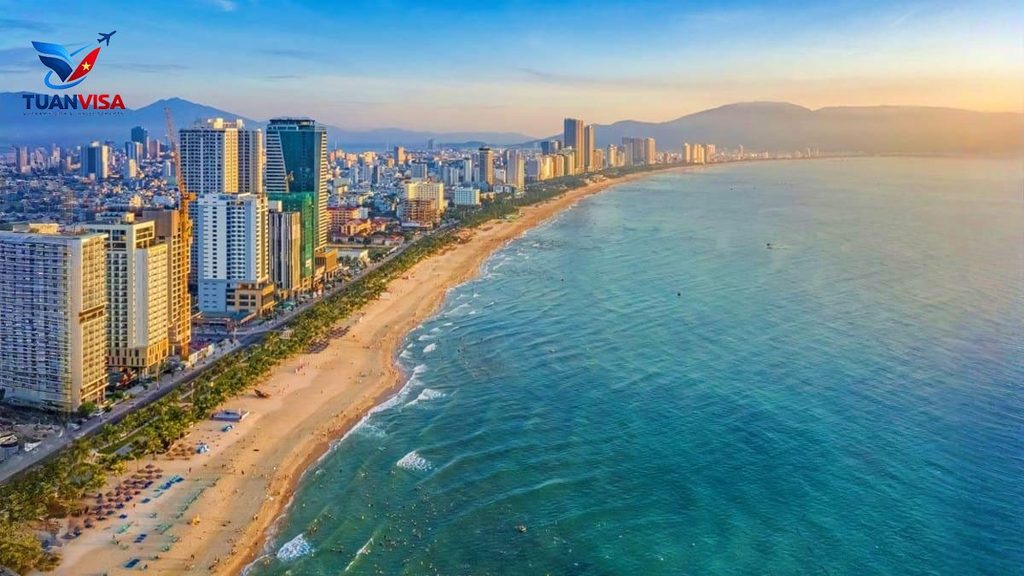
Creating a realistic Vietnam budget involves estimating accommodation, food, transportation, insurance and emergency savings before travelling or relocating
>>> Read more: Vietnam Travel Guide: Where to Go, Visa Rules and Planning Tips
Conclusion
Planning your Vietnam cost of living budget in advance helps you make better decisions about accommodation, daily spending and travel arrangements. Whether you are visiting for two weeks, relocating as a single person or moving with your family, comparing realistic expenses will help you prepare financially. For visa-related assistance and travel planning support, contact TuanVisa through its website and discuss the service that matches your itinerary. TuanVisa is a private assistance service, and all final visa decisions remain with the competent Vietnamese authorities.