
Living in Vietnam offers an affordable cost of living, rich culture, and a growing expat community, balanced with challenges like chaotic traffic and air pollution. From choosing the right city and estimating monthly expenses to understanding housing, healthcare, and visa options, moving to Vietnam requires careful planning. This guide explores what daily life is really like, the advantages and disadvantages of living in Vietnam, and what foreigners should know before making a long-term move.
What Is It Like Living in Vietnam as a Foreigner Day to Day?
Life in Vietnam is fast-paced, social and closely connected to food and street culture. The experience varies depending on the city and neighbourhood, but most foreigners encounter busy streets, convenient local services and a mix of traditional and modern lifestyles.
Fast, loud and food-centred: the daily rhythm in Vietnamese cities
Expect motorbikes at almost every hour, street food on many blocks and cafes that double as informal workplaces. Eating out is convenient and affordable, while local markets make it easy to buy fresh food. Noise from traffic, construction and neighbouring businesses can be constant, so check the street outside an apartment before renting. During Tet, the Lunar New Year, many shops and services close or operate on reduced hours.
Climate by region: Hanoi winters, Saigon heat and the rainy season
Northern Vietnam has four distinct seasons, with cool winters and hot summers. Ho Chi Minh City stays warm throughout the year, with dry and rainy seasons. Da Nang has a coastal climate, with heavier rainfall generally occurring towards the end of the year. Humidity is high in many areas, so air conditioning and good ventilation are important when choosing accommodation.
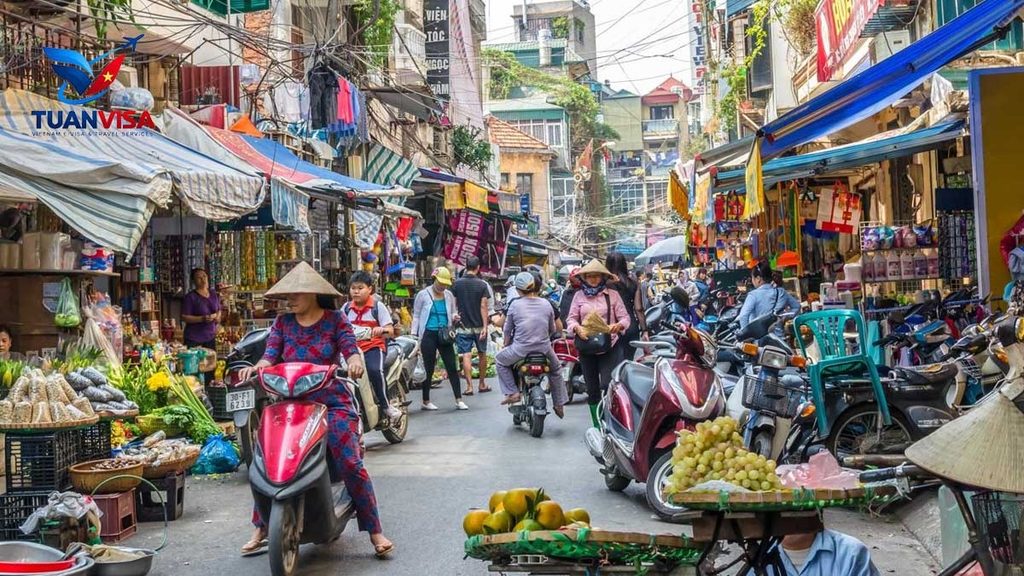
Daily life in Vietnam is shaped by busy streets, motorbikes, local shops and vibrant street culture
Cost of Living in Vietnam: What a Realistic Monthly Budget Looks Like
A realistic monthly budget in Vietnam for a single expat typically ranges from $1,000 to $1,500 per month for a comfortable lifestyle. Your actual spending depends heavily on your city of choice and how closely you follow local habits versus a Western lifestyle.
Housing and Rent
Rent is your largest expense, with a modern one-bedroom apartment in major cities like Ho Chi Minh City or Hanoi costing between $350 and $700 per month. Coastal hubs like Da Nang offer lower rates starting around $250 to $500, while luxury high-rises in central districts can easily exceed $1,200.
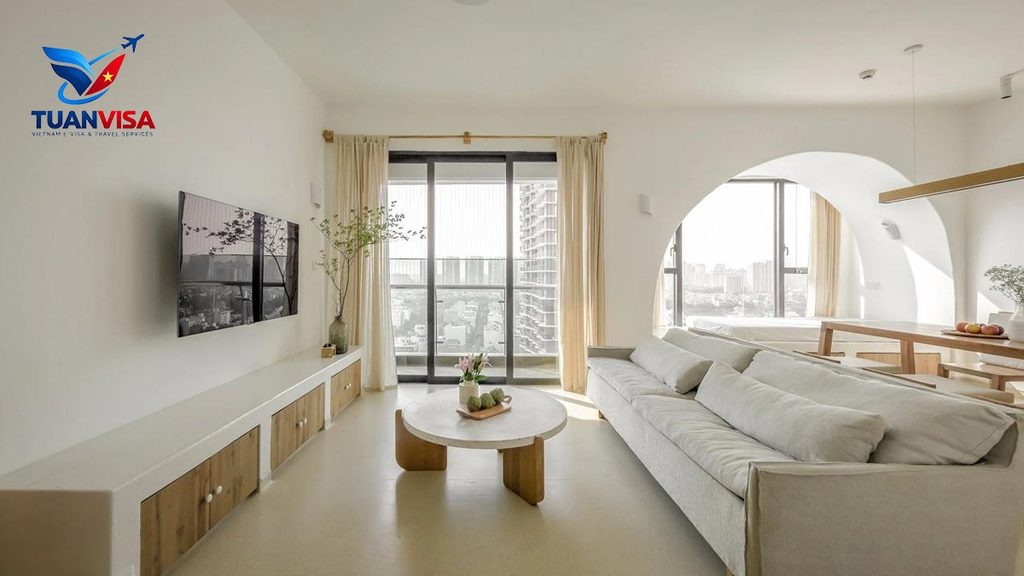
Modern apartments and serviced residences are popular housing options for foreigners living in Vietnam
Food and Dining
Eating local street food and dining at Vietnamese restaurants keeps monthly food costs around $150 to $250, as a bowl of pho or a rice dish usually costs $1 to $3. Relying on imported groceries and Western restaurants pushes this category to $500 or more per month.
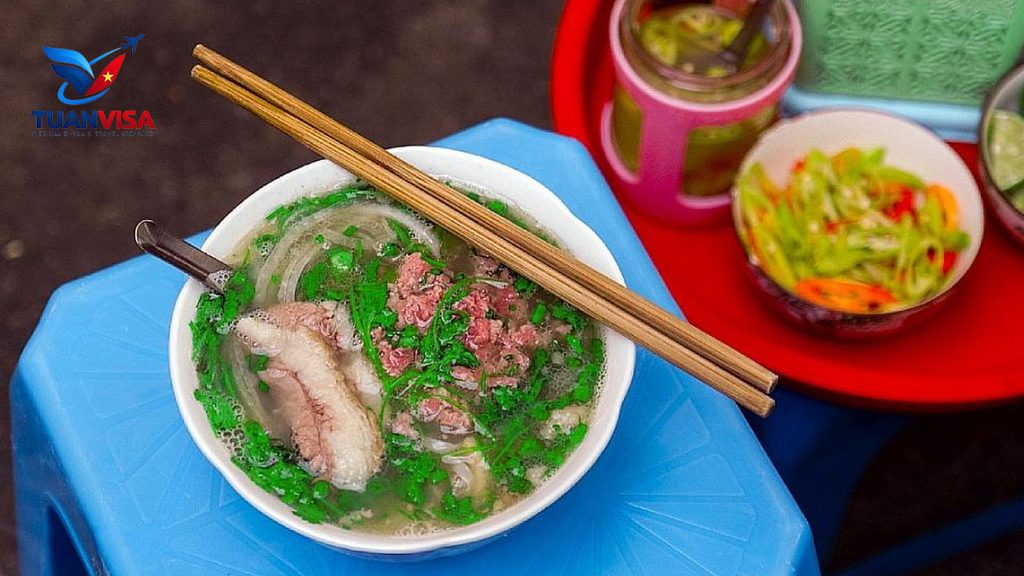
Local street food and traditional Vietnamese restaurants offer affordable everyday dining options
Utilities and Internet
Basic monthly utilities are very affordable, with high-speed fiber internet costing roughly $10 to $15 and unlimited mobile data plans averaging under $5. Electricity is the main variable and typically runs $40 to $100 per month depending on how frequently you run air conditioning.
Transportation
Getting around costs roughly $30 to $50 per month if you own or rent a motorbike, including fuel and basic maintenance. If you prefer not to drive, relying on ride-hailing apps like Grab and public buses usually totals $50 to $150 per month.
Healthcare and Leisure
Comprehensive international health insurance generally costs between $50 and $150 per month, while routine out-of-pocket doctor visits and medications are inexpensive. Setting aside another $100 to $200 comfortably covers a local gym membership, daily specialty coffees, and weekend entertainment.
Where Do Expats Live in Vietnam: Ho Chi Minh City, Hanoi or Da Nang?
Expats in Vietnam typically choose between Ho Chi Minh City, Hanoi, and Da Nang, with each city offering a distinct lifestyle, cost of living, and community hub.
Ho Chi Minh City: Thao Dien and Phu My Hung for jobs and schools
Ho Chi Minh City is Vietnam’s commercial centre, with many corporate jobs and international businesses. Thao Dien in Thu Duc City is an established expat area with restaurants, cafes and access to international schools. Phu My Hung in District 7 is popular with families because of its apartment complexes and community facilities. District 1 is convenient for offices and entertainment but is generally more expensive. Consider your workplace and commute before choosing a neighbourhood.
Hanoi: Tay Ho, four seasons and the air quality trade-off
Hanoi has a traditional atmosphere and four distinct seasons. Tay Ho, around West Lake, is a well-known expat district with cafes, restaurants and international residents. Other districts may offer easier access to workplaces or lower rents. The main trade-off is air quality, which can become poor during certain periods, particularly in cooler months. People with respiratory sensitivities should check local conditions before committing to a long-term stay.
Da Nang and Hoi An: beaches, cleaner air and a slower pace
Da Nang is a coastal city with beaches, an international airport and a more relaxed lifestyle than Vietnam’s largest urban centres. It attracts remote workers and foreign residents who value access to the sea. Hoi An is nearby and offers a quieter atmosphere, although it has fewer employment opportunities and specialist services. Living costs are often lower than in Hanoi and Ho Chi Minh City, but people who need corporate jobs should compare their options carefully.

Ho Chi Minh City offers a modern urban lifestyle, international businesses and established expat communities
What Are the Living Conditions in Vietnam for Housing and Healthcare?
Housing and living conditions in Vietnam feature distinct contrasts between urban and rural areas, local affordability, and expat options.
Housing
- Urban Costs and Availability: Major cities like Hanoi and Ho Chi Minh City face high and rapidly rising apartment prices. Average apartment costs have climbed to roughly 80 million VND ($3,028) per square meter, making property ownership difficult for average local workers whose yearly salaries average around 98.4 million VND.
- Housing Options: Options for residents and expats range from local tube houses and standard apartments to serviced apartments and suburban residential districts. While general local construction quality can be variable, urban centers offer high-end, Western-style high-rises and gated communities.
- Property Rules: Foreigners legally entering Vietnam on qualifying visas (such as a three-month visa) have pathways to buy property under specific legal conditions, though many expats choose to rent serviced or standard apartments.
Healthcare
- Dual Healthcare System: Vietnam operates a mixed public-private model. Universal health insurance through the public system covers a large portion of the population (nearly 90%), offering very low-cost consultations (often under $1) and community-level care.
- Public vs. Private Quality: Public hospitals are typically crowded, face underfunding, and have limited English-speaking staff. Conversely, private and international-standard hospitals in major cities offer high-quality care with foreign-trained specialists.
- Top Facilities and Costs: Notable private and international hospitals include FV Hospital (Ho Chi Minh City), Vinmec (chain with Cleveland Clinic ties in HCMC and Hanoi), Family Medical Practice, and Raffles Medical. Specialist or private consultations generally cost under $30 to $150, while private inpatient rooms range from $200 to $400+ per night. Private health insurance and medical evacuation coverage are widely recommended for expats.

Foreign residents can choose between public healthcare facilities and private medical services in Vietnam
What Are the Disadvantages of Living in Vietnam That Guides Skip?
Living in Vietnam comes with several raw, day-to-day realities and administrative traps that standard promotional guides and lifestyle vlogs often gloss over.
Traffic and road safety: the most likely way expats get hurt
Road traffic is a major safety concern, particularly in busy cities where motorbikes, cars and pedestrians share the same roads. Newcomers may find crossing streets or riding a scooter difficult. Phone snatching from passing motorbikes can also happen in crowded areas. Keep your phone away from the kerb, use pedestrian crossings where available and wear a suitable helmet if riding. Consider ride-hailing services if you are unfamiliar with local traffic.

Heavy traffic and dense motorbike activity can make daily commuting challenging for newcomers
Air pollution: why Hanoi winters worry people with asthma
Air quality varies by location and season, and Hanoi can experience periods of poor air quality during cooler months. If you have respiratory sensitivities, check live air-quality readings, choose accommodation with good ventilation and consider using an air purifier indoors. A trial stay during the season when pollution is most concerning can help you assess whether the environment suits your needs.

Air quality can become a concern in Hanoi during certain periods, making environmental conditions an important factor when choosing where to live
Bureaucracy, rental disputes and rules that change without notice
Paperwork can be slow, and administrative requirements may differ depending on the office, visa category or application type. Rental disputes may arise when deposits, maintenance responsibilities or notice periods are unclear. Keep copies of important documents, ask for agreements in writing and confirm current requirements with the relevant authority before paying or signing anything.
Culture shock: noise, hierarchy and feeling like an outsider
Communication can be indirect in some situations, while hierarchy and respect for elders may influence interactions at work and at home. Noise, crowded streets and different social expectations can feel intense at first. Learning local customs, such as removing shoes indoors and using both hands when giving or receiving items, can make everyday interactions easier.
Is Living in Vietnam Worth It? A Pros and Cons Reality Check
Living in Vietnam can be well worth it if you prioritize a low cost of living, vibrant urban energy, and rich food culture, though it comes with heavy infrastructure and bureaucratic trade-offs.
Where Vietnam wins: low costs, food, fast internet and travel access
Vietnam’s strengths include relatively low everyday costs, excellent food, convenient services and good internet access in major cities. People with a stable income may enjoy a comfortable lifestyle while spending less on local food, transport and daily services than they would in many developed countries. The country is also a convenient base for travelling around Southeast Asia. For people who enjoy lively cities and local culture, expat living in Vietnam can offer considerable value.
Where Vietnam falls short: visas, health risks and daily friction
The main disadvantages are long-term immigration limitations, traffic, air quality and administrative challenges. Many long-stay routes require a qualifying purpose or sponsor, while Vietnam does not currently offer a general retirement or digital nomad visa. Healthcare access and pollution may also influence where you choose to live. Consider these factors carefully before relocating.
Can You Live in Vietnam Long Term? Visa Routes for Expats and Nomads
Staying in Vietnam beyond a tourist visit requires more planning. Available options depend on your purpose and eligibility, and many long-term routes require sponsorship from an employer, family member, educational institution or qualifying company. A tourist eVisa can help you explore cities before moving, but it is not a residence or work permit. Confirm current requirements before making long-term plans.
Tourist eVisa: enough to scout cities, not to settle down
Vietnam’s tourist eVisa currently allows eligible foreign visitors to stay for up to 90 days, with single-entry or multiple-entry options. It can help you explore cities and view apartments, but it does not provide a general right to work or settle permanently. TuanVisa is a private assistance service, not a government agency; its team can help review application information and documents. See our Vietnam eVisa support for information about the process.
Work, family, investor and student visas need a sponsor
Long-term routes generally require a qualifying purpose and supporting documents from a local sponsor. Work, family, investment and study applications each have different eligibility conditions. A work visa and a work permit are separate matters, and foreign employees may need a work permit or an applicable exemption in addition to the appropriate immigration status.
| Route | Who it is for | Sponsor needed? |
| Work | Employees; a work permit usually applies too | Employer |
| Family | Spouses and dependents of eligible residents | Family member |
| Investor | People investing through a qualifying Vietnamese company | Via company |
| Student | Enrolled students | School |
Retirement and digital nomad visas: what exists and what does not
Vietnam does not currently offer a dedicated retirement visa or a general digital nomad visa. Remote workers and retirees therefore need to assess other eligible immigration routes or short-stay options. A short-stay visa does not automatically provide permission to work or establish long-term residence. Do not treat proposals or media reports about new visa programmes as established options until the relevant rules take effect.
Visa runs and extensions: where long-stay plans go wrong
Leaving Vietnam and re-entering with a new short-stay visa is sometimes used by long-term visitors, but it does not guarantee admission or residency. Repeated visa runs also create additional travel costs and uncertainty. If your stay is ending soon, check your legal options early rather than waiting until the final day. See our visa run and extension options or request an urgent case review.

Understanding visa requirements and preparing the necessary travel documents are essential steps before relocating to Vietnam
Taxes for Expats in Vietnam: The 183-Day Rule and What Follows
Expatriates in Vietnam become tax residents once they cross the 183-day threshold or establish a long-term presence, which fundamentally changes how their income is assessed.
The 183-Day Rule (How Residency is Triggered)
You are officially considered a Vietnam tax resident if you meet either of the following conditions.
- Physical Presence: You are present in Vietnam for 183 days or more within a calendar year (January 1 – December 31) or across any 12 consecutive months from your initial arrival date.
- Permanent or Rented Residence: You maintain a permanent residence or hold a residential lease/hotel accommodation agreement for 183 days or more in a tax year, even if your physical day count is lower (unless you can produce a Certificate of Tax Residence from your home country).
What Follows: Tax Resident vs. Non-Resident Status
| Feature | Non-Resident (< 183 Days) | Tax Resident (183+ Days or Lease) |
| Taxable Scope | Vietnam-sourced income only (earned from work performed inside Vietnam, regardless of where paid) | Worldwide income (all income generated globally, inside or outside Vietnam) |
| Tax Rate (Salary) | Flat rate of 20% on employment income | Progressive rates from 5% to 35% |
| Family Deductions | Not allowed | Eligible for personal relief (VND 15.5 million/month) and dependent relief (VND 6.2 million/month) |
How to Test Life in Vietnam Before You Commit to Moving There
A trial stay costs far less than a failed move. Use the visit to assess everyday routines, accommodation, transport and local services before signing a long lease or making a major financial commitment. A few weeks in your preferred city can reveal more about daily life than a short holiday.
Pick the season and the city you most want to stress-test first
- Visit in the season you fear most: Hanoi in winter, the south in the rainy season.
- Pick the city you are most unsure about, not the easiest one.
- Stay at least a few weeks, not a long weekend.
- Work from there if you are remote.
Book a short rental first and sign a long lease only later
- Book a serviced apartment or short rental for the first month.
- Visit several neighbourhoods before choosing one.
- Ask about deposits, rent reviews and notice periods before signing anything.
- Avoid paying for a long lease based on photos alone.
- Keep the first booking cancellable where you can.
A trial-stay checklist: SIM, commute, noise, air and clinic access
- Buy a local SIM and test mobile and home internet speeds.
- Do your daily commute at rush hour, not on a quiet weekend.
- Check noise with the windows open and closed, day and night.
- Look at live air-quality readings for your district.
- Locate a clinic and pharmacy you could use.

A trial stay allows prospective expats to experience local routines, test internet access and evaluate their preferred neighbourhood before relocating.
Planning Your First Trip to Vietnam: Entry Paperwork Done Right
Your first trip is easier to plan when you understand the entry requirements and prepare your documents carefully. Knowing the difference between applying directly and using a private assistance service helps you protect your time, money and passport information.
Official portal or private assistance: how the two options differ
The official portal is the government channel for submitting an eVisa application. A private assistance provider offers a separate service to help applicants review their information and documents. This table shows how applying yourself compares with assisted applications through TuanVisa.
| Apply yourself | With TuanVisa | |
| Run by | Vietnamese government portal | Private service, not a government agency |
| Process | You complete and upload everything | Send information, team review, receive result |
| Checks | Your own review | Document and information check before processing |
| Fees | Government fee | Government and service fee shown separately |
| Tracking | Portal | Reference ID and public tracking page |
Check the address bar before submitting personal information. The official portal is evisa.gov.vn, while private assistance services should clearly identify themselves as separate providers. Before paying or uploading a passport scan, confirm who operates the site, what the service includes and whether government and service fees are shown separately. Be cautious of websites that imitate official branding or promise guaranteed approval.
When to ask for help: extensions, past issues and complex cases
Past visa problems, family applications, an expiring stay or a complicated travel history may require a closer review. TuanVisa’s team supports clients in English, Vietnamese and Chinese. You can contact us on WhatsApp or Zalo to discuss your situation. TuanVisa is a private service, not a government agency, and Vietnamese immigration authorities make the final decision on every application.
If you are planning a scouting trip, TuanVisa can review your information and documents before your eVisa application is processed, with government and service fees shown separately. Visit Check price and apply when you are ready, or read the FAQ before starting. Always follow the validity dates and entry conditions stated on your approved eVisa.
>>> Read more: Vietnam Travel Guide: Where to Go, Visa Rules and Planning Tips
Conclusion
Living in Vietnam can offer an affordable and rewarding lifestyle, with diverse cities, convenient services and access to destinations across Southeast Asia. However, choosing the right location, preparing a realistic budget and understanding local living conditions are essential before moving. Foreigners planning a longer stay should also check visa options, healthcare coverage and tax obligations. A trial stay can help you decide whether Vietnam suits your lifestyle before making a long-term commitment.