
Planning a trip to Vietnam involves more than choosing famous destinations. You need to consider regional weather, travel time, visa requirements, accommodation and your overall budget. Vietnam travel is easier when you choose one or two regions based on your schedule instead of trying to visit the entire country in a short trip. Some nationalities can enter visa-free, while others need an electronic visa (eVisa) before departure. This guide to Vietnam tourism explains where to go, when to visit, how much to budget and how to prepare your travel documents before booking.
Vietnam Tourism at a Glance: How Long to Stay and When to Go
Vietnam offers three main travel regions, each with different landscapes, climates and experiences. Decide how many days you have and what you want from the trip before choosing destinations.
Vietnam is a long, narrow country stretching from the northern mountains to the southern coast. Its geography creates noticeable differences in weather, scenery and travel experiences. Northern Vietnam is known for historic cities, mountain landscapes and limestone bays. Central Vietnam combines imperial heritage, beaches and charming old towns, while the south offers energetic cities, river experiences and tropical islands.
For a first visit, seven days is usually enough to explore one region at a comfortable pace. Around ten days allows you to combine two nearby areas, while a two-week itinerary can cover selected destinations from north to south. Remember that domestic transfers can take longer than expected, especially when traveling between mountain towns or remote coastal destinations.
The best time to visit depends on your route. Northern Vietnam generally experiences cooler weather from November to March, with warmer conditions from April to October. Central Vietnam can experience heavy rain and storms during parts of the autumn, while southern Vietnam usually has a dry season from approximately December to April and a rainy season during the remaining months.
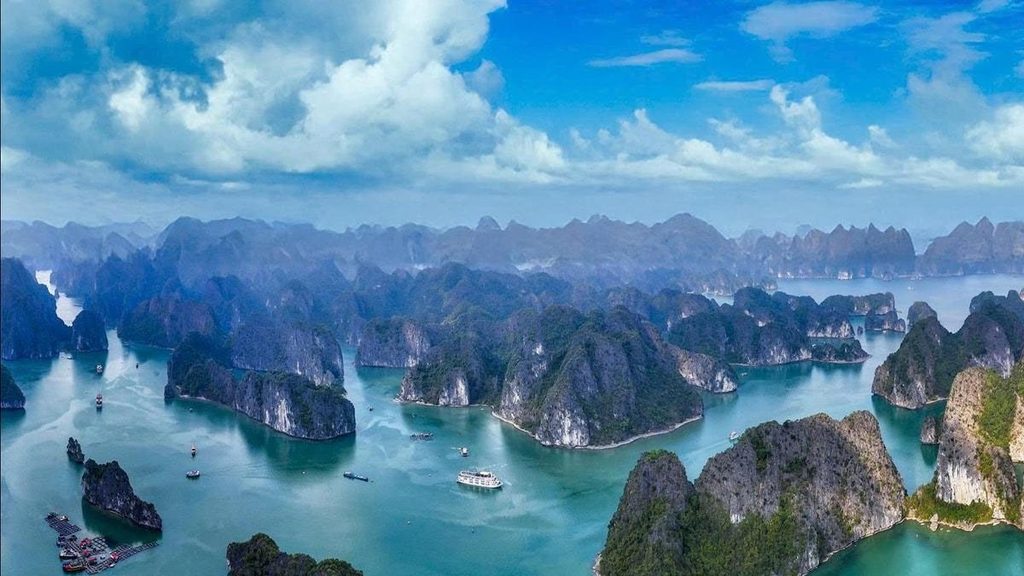
Ha Long Bay showcases Vietnam’s remarkable natural landscapes and diverse tourism experiences
What Is Worth Seeing in Northern Vietnam
Northern Vietnam is ideal for travelers who enjoy historic neighborhoods, mountain scenery and dramatic limestone landscapes. Hanoi works as the main base, with nearby destinations added according to your available time.
Hanoi: Discover the Old Quarter
Hanoi deserves two to three days on a first visit. Explore the Old Quarter, Hoan Kiem Lake, local markets and museums, while leaving time to try pho, bun cha and other street food. Staying near the Old Quarter makes sightseeing easier, although quieter districts may suit travelers who prefer peaceful evenings.
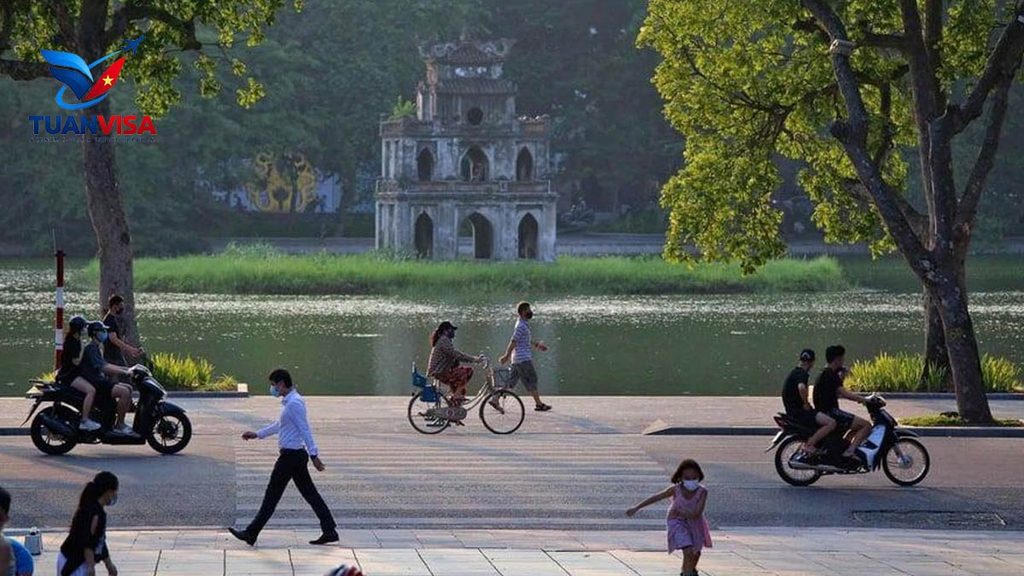
Hanoi offers a blend of historic streets, cultural landmarks and authentic Vietnamese street food
Ha Long Bay and Lan Ha Bay
Ha Long Bay and neighboring Lan Ha Bay are known for limestone islands, calm waters and overnight cruises. Choose a day trip if your schedule is limited, or stay overnight to enjoy quieter scenery. Before booking, compare cabin standards, meals, transfers, entrance fees and the exact activities included in the cruise price.
Ninh Binh as a day trip or a two-night stay when based in Hanoi
Ninh Binh is a convenient extension of a Hanoi itinerary, with limestone valleys, rivers and rice fields. A day trip can cover selected highlights, but staying one or two nights allows more time for boat rides, cycling and countryside scenery. Start early if traveling from Hanoi for only one day.
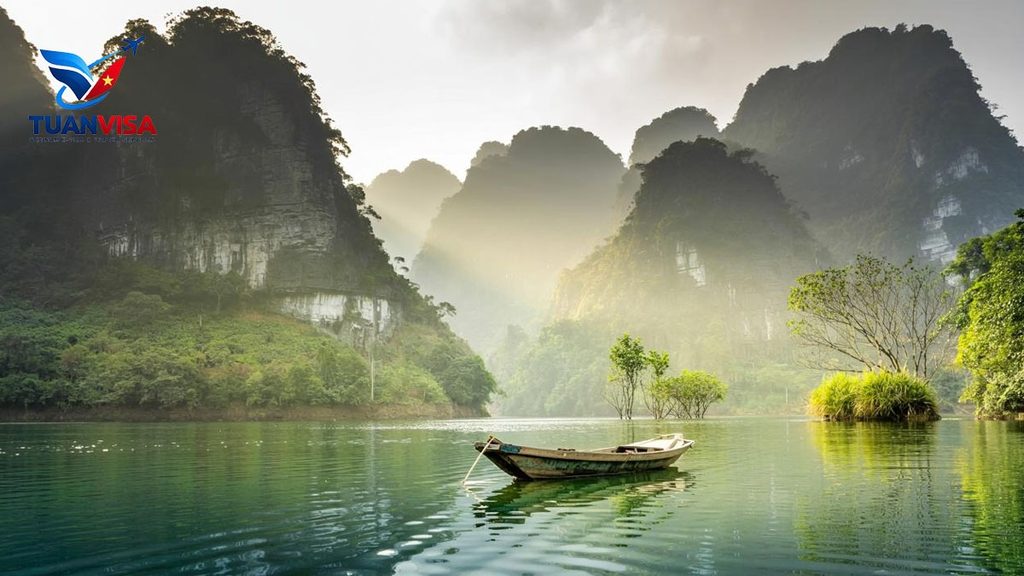
Ninh Binh is an ideal destination for boat trips, cycling and exploring Vietnam’s countryside
Sapa and Ha Giang: Stunning mountain scenery
Sapa and Ha Giang are suitable for travelers who want mountain landscapes, ethnic minority cultures and scenic road journeys. Both destinations require additional travel time from Hanoi. Fog, heavy rain and landslides may affect mountain routes, so check local conditions and transport arrangements before departure, particularly during the rainy season.
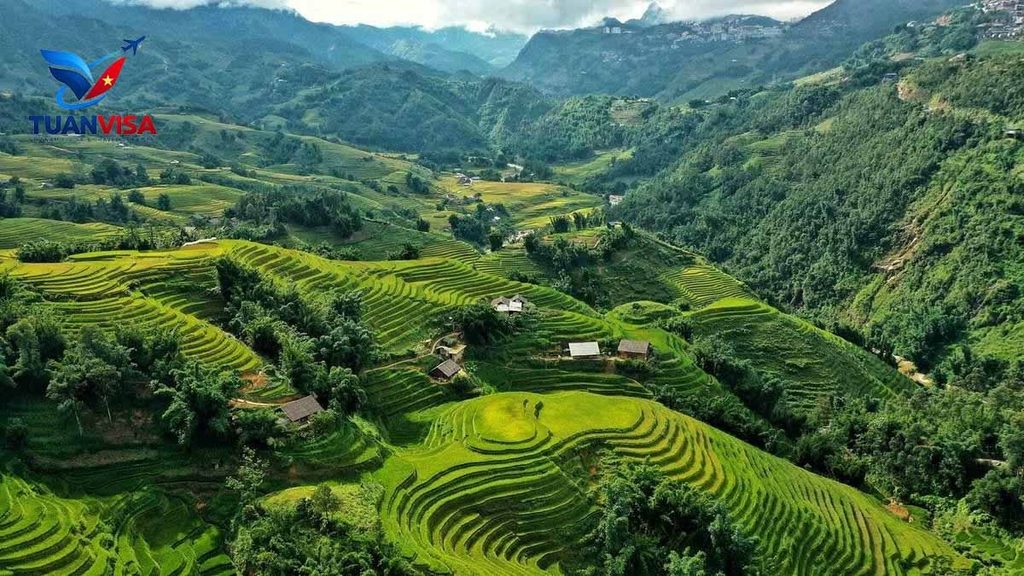
Sapa and Ha Giang attract travelers with their dramatic mountain scenery and rural landscapes
Which Central Vietnam Stops Are Worth It
Central Vietnam combines historic landmarks, coastal cities, caves and highland scenery. Rather than visiting every destination, select two or three bases that match your interests and the weather during your travel dates.
Hue: imperial sites, slower pace and serenity
Hue is best known for its Imperial City, royal tombs and historic architecture. Allow at least one full day to explore the main sites without rushing. Travelers can combine Hue with Da Nang or Hoi An by road or train, but should check current schedules and transfer times before planning connections.

Hue preserves Vietnam’s imperial heritage through its historic citadel, royal tombs and palaces
Da Nang and Hoi An: beaches, old town
Da Nang offers long beaches, modern hotels and convenient transport, while Hoi An attracts visitors with its preserved old town, lantern-lit streets and riverside atmosphere. The two destinations are close enough to combine. Stay in Da Nang for beach access and spend an evening or two exploring Hoi An.
Phong Nha caves
Phong Nha is a strong choice for nature lovers and adventure travelers interested in caves, underground rivers and national park landscapes. Some specialist tours have limited capacity or specific requirements, so confirm availability before fixing your dates. Plan a road transfer from Dong Hoi and check the operator’s safety arrangements.

Phong Nha is known for its impressive cave systems, underground rivers and national park landscapes
Da Lat in the highlands: cooler weather and a different pace
Da Lat offers a cooler atmosphere than many coastal destinations, with pine forests, flower gardens, lakes and cafes. It is a good addition for travelers who want a slower pace after visiting busy cities or beaches. However, reaching Da Lat requires extra travel time, so include it only when your schedule allows.
What Is Worth Seeing in Southern Vietnam
Southern Vietnam offers a different side of the country, combining urban experiences, river communities and tropical beaches. Ho Chi Minh City is the main transport hub, with the Mekong Delta and island destinations providing worthwhile extensions.
Ho Chi Minh City: Modern and vibrant
Two days in Ho Chi Minh City are enough to explore central landmarks, museums, markets and local food neighborhoods. Visit the War Remnants Museum, Ben Thanh Market and major city attractions, then enjoy an evening exploring Vietnamese restaurants. Central districts are convenient for first-time visitors who want easier access to transport and sightseeing.

Ho Chi Minh City combines modern architecture, historic landmarks and vibrant urban experiences
Mekong Delta
The Mekong Delta offers a closer look at southern Vietnam’s river-based lifestyle, including canals, orchards, local markets and traditional villages. A day trip from Ho Chi Minh City works for visitors with limited time. An overnight stay provides a slower experience and more opportunities to explore smaller communities and waterways.

Cai Rang floating market with traditional trading boats in the Mekong Delta, Vietnam
Phu Quoc island
Phu Quoc is popular for beaches, resorts, island activities and sunset views. The island has a special visa-exemption arrangement for eligible foreign visitors staying within its permitted conditions and duration. This exemption does not automatically cover travel to mainland Vietnam, so check the latest official rules if your itinerary includes other cities.

Phu Quoc is a popular island destination for beach holidays, resort stays and sunset views
Nha Trang, Mui Ne and Con Dao
Nha Trang suits travelers looking for a lively coastal city with resorts and water activities. Mui Ne is known for its beaches, wind sports and sand dunes, while Con Dao offers a quieter island experience. Compare transport connections and seasonal weather before choosing, especially if your itinerary is under two weeks.
Do You Need a Visa for Vietnam, or Can You Enter Visa-Free?
Vietnam’s entry requirements depend on your nationality, passport type, travel dates and intended length of stay. Check whether you qualify for visa-free entry first, then consider an eVisa if your trip requires one.
Which passports can enter visa-free and for how many days
Vietnam grants visa exemptions to citizens of selected countries under bilateral agreements and government policies. The permitted stay varies by nationality and may change. For example, UK ordinary passport holders are generally eligible for a 45-day exemption under the current policy, while several ASEAN nationalities have separate arrangements. Always verify your passport category and travel dates before departure.
| Passport / Nationality | Usual Entry Route | Allowed Stay |
| United Kingdom | Visa exemption | Up to 45 days |
| United States | eVisa | Up to 90 days |
| Australia | eVisa | Up to 90 days |
| Canada | eVisa | Up to 90 days |
| India | eVisa | Up to 90 days |
| Singapore | Visa exemption | Generally up to 30 days for ordinary passports |
| Malaysia | Visa exemption | Generally up to 30 days |
| Philippines | Visa exemption | Generally up to 21 days for ordinary passports |
This table is a general guide, not a complete list of Vietnam’s visa policies. Exemptions may have specific conditions, and diplomatic or official passports can follow different rules. Travelers should check the latest information from a Vietnamese embassy or the official immigration portal before booking their journey.
How the Vietnam eVisa works: fee, validity and number of entries
Vietnam’s electronic visa is available to citizens of all countries and territories. It can be issued for a maximum validity of 90 days, with either single-entry or multiple-entry permission. Applicants complete an online form, upload their passport information and photograph, pay the government fee and use their registration details to check the result.
| Item | Current General Information |
| Single-entry government fee | US$25 |
| Multiple-entry government fee | US$50 |
| Maximum validity | Up to 90 days |
| Processing time | Generally around 3 working days after a complete application and payment; delays may occur |
| Government fee refund | Non-refundable |
| Application channel | Official Vietnam eVisa portal |
Visa fees, validity periods and entry conditions can vary depending on your application and the approval granted by Vietnamese immigration authorities. If you need help understanding the applicable fees, checking your visa details or preparing your application, contact TuanVisa on Facebook for personalized guidance before your trip.
Passport, photo and entry-point mistakes that can delay an eVisa
Small errors can delay an eVisa application or create problems at the border. Check that your full name, passport number, date of birth and travel dates match your passport exactly. Upload a clear passport scan and a compliant portrait photo, then confirm that your selected entry point matches your actual arrival route.
Your passport should generally remain valid for at least six months beyond your planned entry date, with sufficient blank pages for immigration stamps. Apply well before departure rather than relying on the estimated processing period. If your travel date is approaching, seek a case review before assuming that expedited processing or approval is guaranteed.
Private help versus the official portal: what each one really does
Travelers can apply independently through the government portal or choose a private service for additional document support. TuanVisa is a private assistance provider, not a Vietnamese government agency. Immigration authorities retain full control over visa decisions, and no private provider can guarantee approval.
| Question | Official Portal on Your Own | With TuanVisa Assistance |
| Who decides? | Vietnamese immigration authorities | Vietnamese immigration authorities |
| Fees | Government fee | Government fee plus a separate service fee |
| Document check | Applicant checks their own information | Team reviews submitted information before processing |
| Languages | Portal instructions and available support | English, Vietnamese and Chinese support |
| Tracking | Application registration details | Reference ID and tracking support |
| Approval guarantee | No | No |
The main difference is the level of assistance, not the authority responsible for approval. If you need help reviewing your information before submission, you can learn about the TuanVisa eVisa application service. Compare the service fee and scope of support before deciding how to apply.
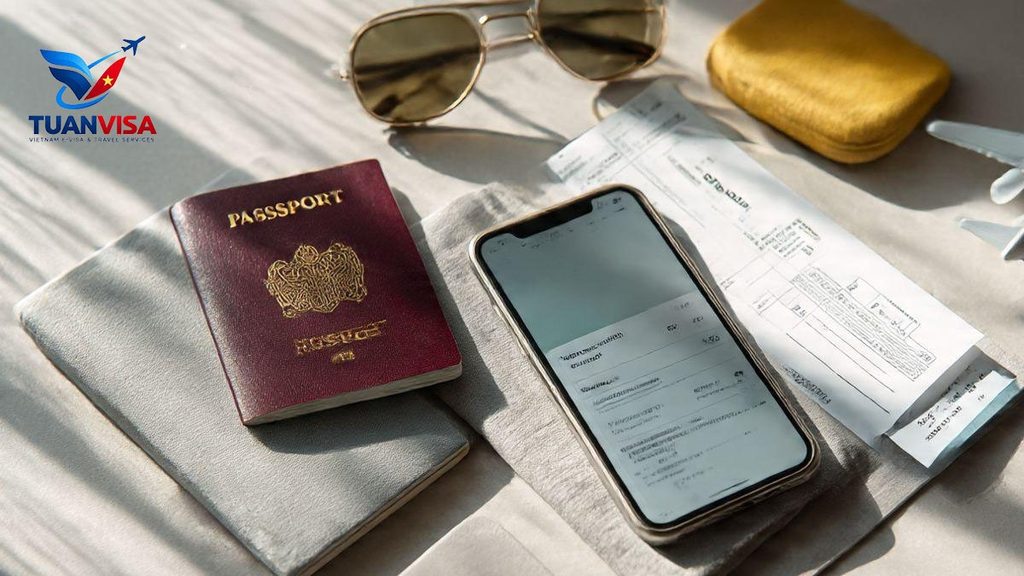
Check your passport validity, visa eligibility and entry requirements before traveling to Vietnam
>>> Read more: How to Get an Urgent Vietnam Visa: Options, Fees and Deadlines
How Much Does a Vietnam Trip Cost, From Visa Fee to Daily Spending?
A Vietnam travel budget usually includes three main categories: entry documents, daily travel expenses and additional costs. Estimating each category separately helps you compare destinations and avoid unexpected spending.
Daily budgets for backpacker, mid-range and comfort travelers
Daily costs depend on accommodation, transport, dining choices and planned activities. Backpackers can keep spending relatively low by using hostels, street food and public transport. Mid-range travelers usually pay more for private rooms, restaurants and selected domestic flights, while comfort travelers may choose boutique hotels and private transfers.
| Travel Style | Estimated Cost Per Person Per Day | Usually Covers |
| Backpacker | About US$25–50 | Dorms, street food and buses |
| Mid-range | About US$60–150 | Private hotels, restaurants and selected activities |
| Comfort | Varies by hotel and service level | Boutique hotels, private transfers and organized tours |
These figures are planning estimates rather than fixed prices. Costs can increase during public holidays, peak travel seasons and major events. International flights, visa fees and travel insurance should be calculated separately to avoid underestimating the total trip budget.
What food, rooms and tours usually cost in the main cities
Food and accommodation prices vary between Hanoi, Ho Chi Minh City, coastal resorts and smaller towns. Local street meals and public transport are generally more affordable than hotel restaurants and private cars. Cruises, guided excursions and beach resorts can represent a larger share of your budget, so compare inclusions rather than headline prices alone.
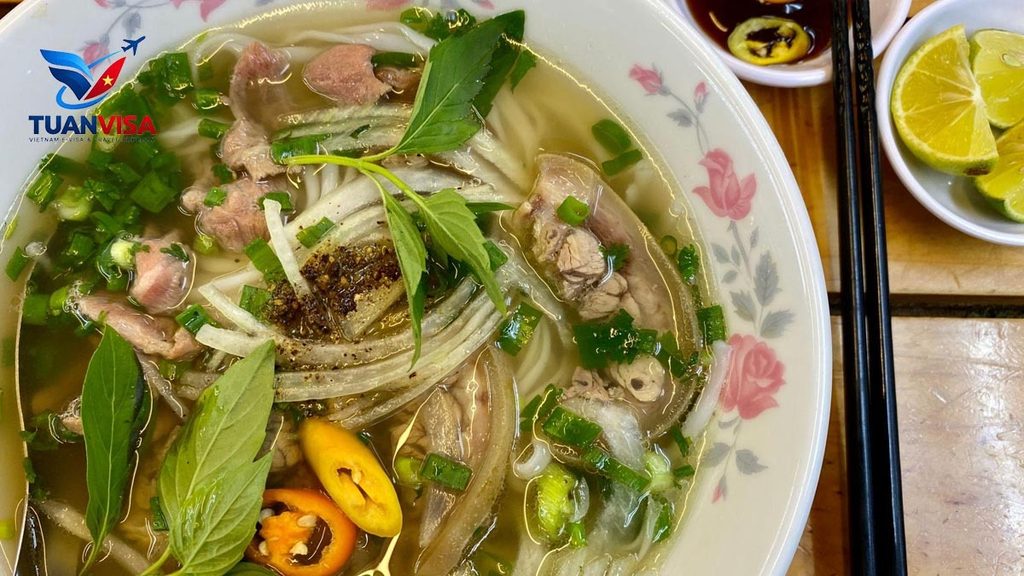
Local Vietnamese dishes such as pho offer travelers an affordable way to experience the country’s food culture
When checking accommodation, look at location, cancellation terms, breakfast and transport access. For tours, confirm group size, entrance tickets, meals and transfers. A cheaper package may exclude important services, while a slightly higher price may offer better convenience. Check recent prices close to your travel dates because seasonal demand can affect availability.
Extra costs to plan for: airport transfers, tips and entry tickets
Additional expenses can include airport transfers, baggage fees, attraction tickets, local SIM cards, travel insurance and optional activities. Late-night arrivals may make pre-arranged transport more convenient, while popular attractions and cruises may require advance reservations. Keep some cash available for smaller vendors and places that do not accept international cards.
It is also useful to set aside an emergency buffer for unexpected changes. Weather disruptions, missed connections or changes to your itinerary can create extra transport and accommodation costs. A realistic budget should include flexibility rather than allocating every dollar to planned activities.
Essential Vietnam Travel Tips: Transport, Money, Safety
A smooth Vietnam trip requires basic preparation. Plan your transport, payment methods, mobile connection and personal safety before departure.
Getting around Vietnam: domestic flights, trains, buses and taxis
- Flights: Best for traveling between distant regions.
- Trains: Suitable for coastal routes and scenic journeys.
- Buses: An affordable option for connecting cities and towns.
- Taxis and ride-hailing: Use reputable providers and check fares before traveling.

Trains offer a practical way to explore selected destinations while enjoying Vietnam’s scenic railway routes
Money and payments: cash, cards and exchange rates
- Carry Vietnamese dong (VND) for markets, street food and small shops.
- Use international cards at hotels and larger businesses.
- Exchange money at reputable banks or licensed counters.
- Check ATM fees and exchange rates before transactions.
SIM cards and eSIMs: staying connected during your trip
- Compare local SIM cards and eSIM packages before arrival.
- Check phone compatibility and network coverage.
- Choose a data plan based on your travel needs.
- Download maps and booking details for offline access.
Safety, scams and personal belongings
- Keep your passport, phone and wallet secure in crowded areas.
- Use trusted transport and confirm prices in advance.
- Be cautious of unsolicited tours and unusually cheap offers.
- Check bills before paying and keep copies of important documents.
- Consider travel insurance for medical emergencies and trip disruptions.
Sample Vietnam Itineraries and What to Book First for Your Trip
A practical itinerary balances sightseeing with realistic transfer times. Choose a route based on your available days, then arrange entry documents and transport before committing to non-refundable accommodation or tours.
A 7-day Vietnam route for first-timers on a tight schedule
With seven days, focus on one region rather than attempting to cover the whole country. A northern route could include three nights in Hanoi, one or two nights in Ninh Binh and a Ha Long or Lan Ha Bay cruise. Alternatively, stay around Da Nang and Hoi An, with a day trip to Hue.
A 14-day north-to-south route with realistic travel times
A two-week itinerary can connect selected destinations across Vietnam. Start in Hanoi, continue to Ninh Binh and Ha Long Bay, then fly to Da Nang for Hue and Hoi An. Finish in Ho Chi Minh City, adding a Mekong Delta excursion if time allows. Keep at least one flexible day for delays or weather changes.
What to book first: visa, flights, then hotels and tours
Check your visa eligibility and permitted stay before booking the rest of your trip. Once your route and entry point are clear, arrange international and domestic transport, followed by accommodation and activities. Choose flexible booking terms where possible, especially if traveling during periods when storms or transport disruptions may affect your plans.
Before departure, check that your eVisa details match your passport and intended entry point. Save a digital copy and print a paper copy if required by your travel arrangements. If your itinerary includes a land border or a second country, verify the entry and exit conditions for each part of the journey.
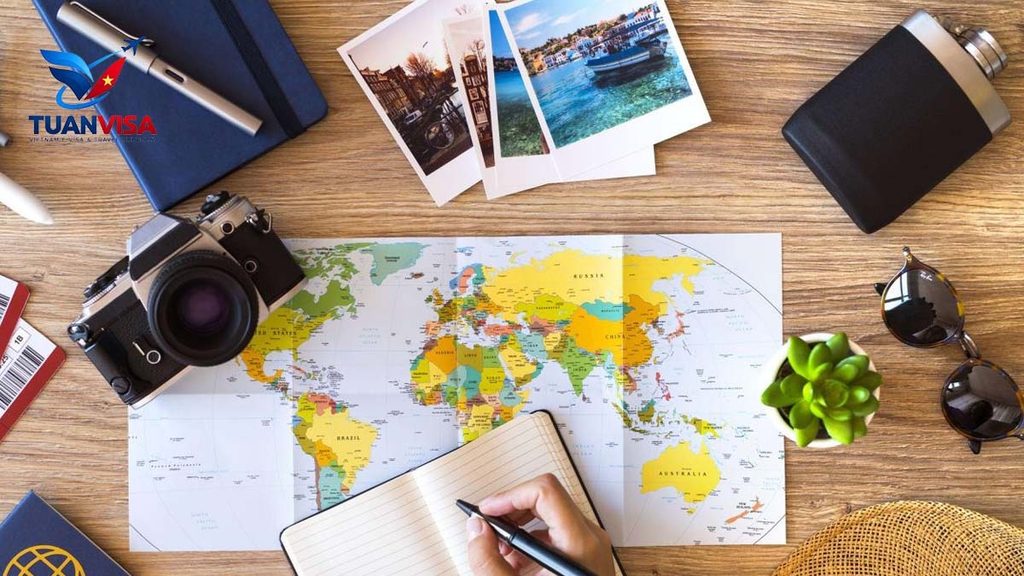
Planning your route, transport and accommodation in advance helps create a smoother Vietnam travel experience
Conclusion
A successful Vietnam travel experience starts with a realistic route, suitable travel dates and the correct entry documents. Choose destinations according to your available time, compare regional weather and prepare a budget that includes transport and additional expenses. Before departure, verify the latest visa rules and make sure your passport and travel details are accurate.
If you need assistance with your Vietnam eVisa application, TuanVisa provides private support with document review and application guidance. The process begins when you submit your details for the team to review. You can then receive information about the next steps, available support and applicable service fees.